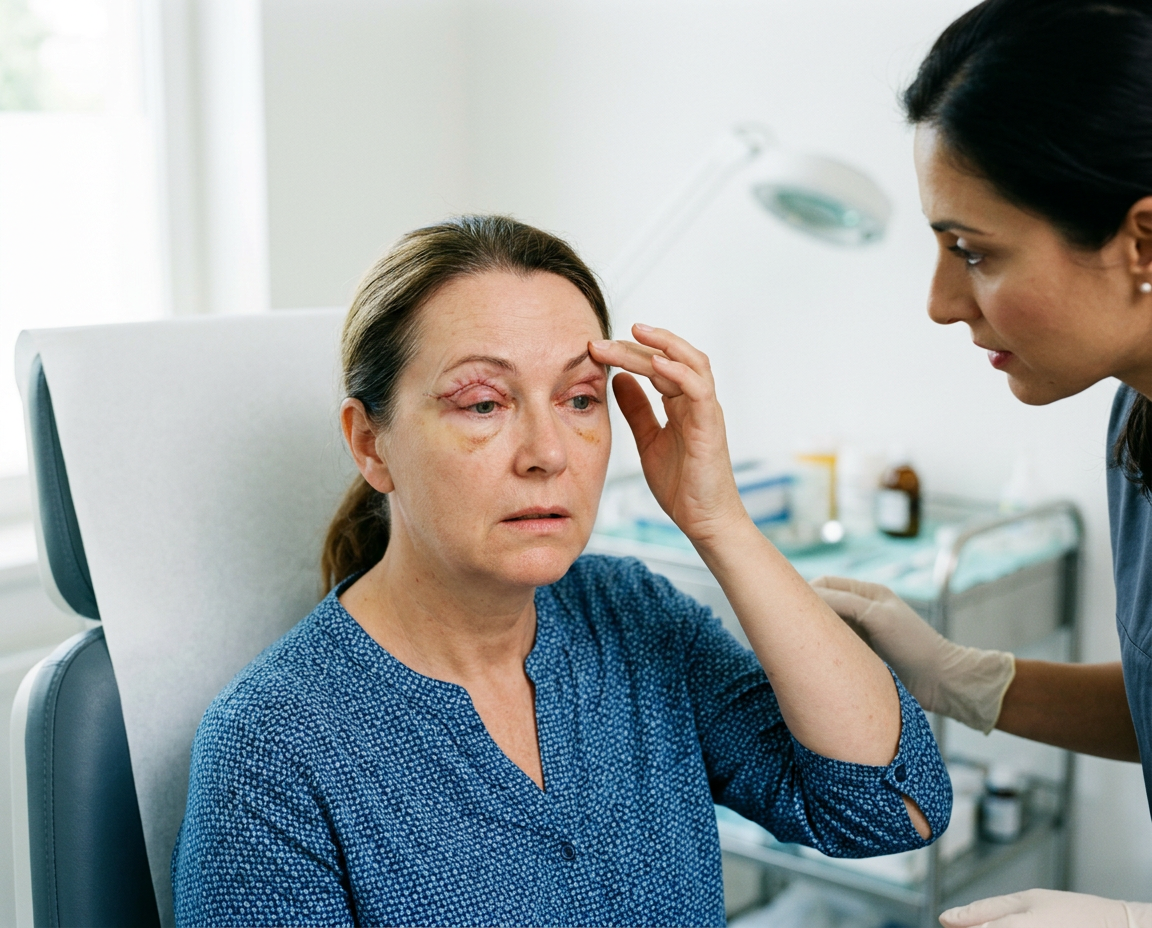
סיבוכים בהרמת עפעפיים: מה חשוב לדעת לפני הניתוח
סיבוכים בהרמת עפעפיים נחשבים לרוב לנדירים כאשר הניתוח מבוצע על

|
Getting your Trinity Audio player ready...
|
Eye tics, often described as a rapid, involuntary twitching or contraction of the eyelid muscles, are common and usually harmless events that can affect anyone. Although they may be bothersome, these spasms usually go away without the need for medical intervention. The medical term for eye spasm is myokymia, which specifically refers to spontaneous, subtle muscle contractions that can be seen or felt under the skin. These events can last from a few seconds to a few minutes and may recur for several days before disappearing as suddenly as they appeared. Although eye twitches are usually benign, understanding their causes and potential triggers is essential for people who experience them frequently or for prolonged periods.
Anatomy of the eye relevant to convulsions
The human eye is a complex organ supported by several muscles that control its movements and the opening and closing of the eyelids. The orbicularis oculi muscle, which is responsible for closing the eyelid, is often involved in eye spasms. Understanding the anatomy of the eye and the structures that support it is essential to understanding why and how eye twitches occur.
Types of eye tics
Eye twitches can be classified into several types, each with its own set of characteristics and causes. The most common type of twitching is myokymia, which involves mild and often imperceptible twitching of the eyelid. More severe forms of eye spasms include blepharospasm, which involves both eyes and can significantly affect a person's quality of life by interfering with vision. Hemifacial tic is another condition, characterized by twitching that affects one side of the face, including the eyelid. Understanding these types can help people and healthcare professionals determine the severity of the condition and the best approach to management and treatment.

Eye twitches can be caused by a variety of factors, from lifestyle choices to previous medical conditions. Understanding these causes can help people take proactive steps to minimize the occurrence of tics.
Common triggers include stress, which is one of the most significant contributors to eye twitching. The body's response to stress can lead to muscle tension, including the muscles around the eyes. Fatigue, whether due to lack of sleep or long periods of work, especially with screens, can also trigger eye twitches. Consuming large amounts of caffeine and alcohol has been linked to increased episodes, as they can stimulate the nervous system and lead to seizures. In addition, eye strain, especially from prolonged use of computers, tablets and smartphones, may lead to spasms due to overuse of the eye muscles.
Medical conditions also play a role in eye spasms, especially when the spasms are persistent or accompanied by other symptoms. Neurological disorders such as Parkinson's disease, Bell's palsy or multiple sclerosis can be manifested by eye twitches as one of the symptoms. Eye diseases, including dry eyes, uveitis or blepharitis, can also cause convulsions. In some cases, allergies and infections affecting the eye or surrounding areas can lead to spasms by irritating the eyes.
Environmental factors such as exposure to pollution, bright lights or wind can irritate the eyes and trigger spasms. Adjusting to these factors by wearing protective glasses or taking breaks from exposure can help reduce the frequency of convulsions.
Detecting eye spasms involves detecting involuntary, repeated spasms or contractions of the eyelid muscles. These can vary in intensity, from barely noticeable to significantly bothersome, affecting one or both eyes. While most spasms are benign and go away on their own, it is important to pay attention to the frequency, duration and associated symptoms.
When does seeing a doctor become critical? If eye spasms last more than a week, are accompanied by other symptoms such as drooping of the face or eyelids, redness, swelling or discharge from the eye, or if they cause the eyelid to close completely. These can be signs of more serious conditions that require medical intervention.
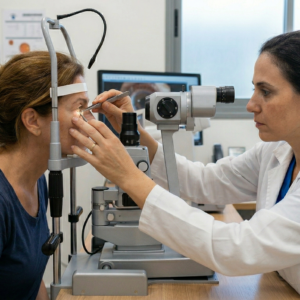
Diagnostic procedures may include a thorough examination of the eye and a review of the patient's medical history to rule out systemic conditions. In some cases, additional tests such as blood tests, imaging tests or referrals to specialists such as neurologists or ophthalmologists may be needed to determine the cause of the spasm. Understanding these diagnostic steps can help people prepare and actively participate in their treatment journey.

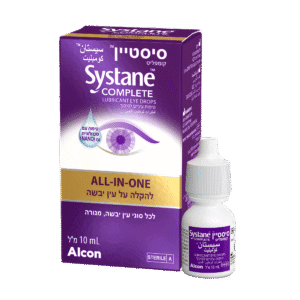
Dry eye disease and blepharitis are prominent conditions that can lead to eye twitching, highlighting the complex relationship between eye health and the occurrence of involuntary eyelid movements. Dry eye disease, characterized by insufficient tear production or poor tear quality, leads to irritation, inflammation and discomfort in the eyes, which can cause the muscles around the eye to contract as a reflex response to irritation. Similarly, blepharitis, an inflammation of the edges of the eyelids often caused by a bacterial infection or skin conditions such as dandruff, causes symptoms such as itching, burning, and a sensation of something in the eye. This stimulation can also trigger spasms as the body tries to reduce the discomfort. Both conditions disrupt the normal function and health of the ocular surface, emphasizing the importance of treating underlying eye health problems when managing symptoms such as eye twitching. Correct diagnosis and treatment of dry eye diseases and blepharitis not only relieve their direct symptoms, but can also reduce or eliminate associated eye spasms, emphasizing the link between eye health conditions and the importance of comprehensive eye care.
Management and treatment of eye twitches largely depend on their cause. For most people, convulsions are mild and transient, and do not require medical attention. However, in persistent or severe cases, several strategies can be used.
Home remedies and lifestyle adjustments are often the first line of defense. Reducing stress through relaxation techniques such as yoga, meditation, or deep breathing exercises can relieve stress-related spasms. Improving sleep quality and ensuring adequate rest can help manage spasms caused by fatigue. Adjusting the work environment to reduce eye strain, including using proper lighting, regular breaks from screen time and using anti-glare screens, can also be helpful. For cramps caused by caffeine or alcohol, reducing intake can provide relief.
Medical treatments may be necessary in more severe cases or when convulsions are symptomatic of other conditions. Medications such as muscle relaxants, anti-inflammatory drugs, or treatments for specific eye problems can help manage symptoms. Botulinum toxin (Botox) injections are another option, especially for chronic conditions such as blepharospasm, by temporarily paralyzing the muscles responsible for spasms. In rare cases, surgery may be recommended to treat nerve problems or to remove muscles or nerves that trigger the spasms.
Alternative treatments such as acupuncture may offer relief for some people, although the evidence for their effectiveness is mixed. Nutritional supplements, especially if a deficiency is identified, such as magnesium, may help reduce spasms.

Preventing eye spasms involves addressing the factors that contribute to their appearance. While not all convulsions can be prevented, especially those resulting from genetic or unavoidable medical conditions, adopting healthy lifestyle habits can reduce their frequency.
Eye health maintenance is essential. Regular eye exams can help catch and treat conditions that may contribute to seizures early on. Protecting the eyes from strain with appropriate lighting and reducing screen time, especially before bed, can also help.
Managing risk factors involves lifestyle choices such as ensuring adequate rest, managing stress effectively, and reducing consumption of stimulants such as caffeine and alcohol. Staying hydrated and maintaining a balanced diet can support overall health and reduce the occurrence of cramps.
Regular medical checkups are important, especially for those with underlying health conditions that may contribute to eye twitching. Monitoring and managing these conditions can help reduce their impact on eye health.
Adopting these strategies can not only help manage and treat existing eye spasms, but also contribute to general well-being and eye health, and prevent future episodes.
Eye spasms, although often not physically harmful, can cause significant psychological stress for those affected. Persistent or noticeable eyelid twitching can lead to increased self-consciousness and anxiety, especially in social or professional settings where the individual feels they are being watched. Worrying about the visibility of the spasms can make the problem worse, creating a feedback loop in which anxiety triggers more spasms, which in turn lead to greater stress and worry.
Moreover, people who experience persistent eye spasms may face challenges concentrating and performing everyday tasks, especially when the spasms are distracting or, in severe cases, impairing vision. This can affect productivity and the ability to engage in activities that require sustained visual focus, leading to frustration and reduced quality of life.
For some, the fear that eye twitches are a sign of a more serious health problem can be troubling. Even when it is certain that their condition is benign, the lack of control over these involuntary movements can cause feelings of helplessness or distress.
Recognizing and addressing the psychological impact of eye spasms is essential. Supportive counseling, stress management techniques, and if necessary, consultation with a psychologist or psychiatrist can provide relief and coping strategies for those affected by the situation. Encouragement to discuss these experiences openly, whether with health care providers, friends or support groups, can also ease feelings of isolation and anxiety.

What causes eye twitching?
Eye twitches can be caused by a variety of factors including stress, fatigue, caffeine, eye strain and certain medical conditions. Environmental factors and lifestyle choices also play a significant role.
Are eye twitches a sign of a serious health condition?
While most eye spasms are harmless and go away on their own, persistent or severe spasms can be a sign of a neurological disorder or other serious condition. It is important to consult a medical professional if the spasms are accompanied by other symptoms or last a long time.
How can I stop my eyelid from popping?
Reducing stress, ensuring adequate rest, limiting caffeine and alcohol consumption and taking breaks from screens can help. If the convulsions persist, it is recommended to seek medical advice regarding the available treatment options.
Do eye twitches affect vision?
Occasional eye spasms do not affect vision. However, severe or persistent convulsions, especially if associated with a more serious condition, may affect visual function.
Can nutrition and food affect eye spasms?
Yes, deficiencies in certain nutrients such as magnesium can contribute to muscle spasms, including the muscles around the eyes. Maintaining a balanced diet can help prevent deficiencies and reduce the likelihood of cramps.
Eye twitches are common, usually benign symptoms that many people experience at some point in their lives. Understanding that stress, fatigue and other life factors are often the main culprits can help people take proactive steps to minimize their occurrence. While most eye twitches are not a cause for concern, persistent or severe symptoms warrant medical attention to rule out underlying conditions.
Main points:
By identifying the triggers and implementing preventative measures, people can often treat or stop eye twitches. However, never hesitate to seek medical advice if you are concerned about your symptoms or their impact on your quality of life.
סיבוכים בהרמת עפעפיים נחשבים לרוב לנדירים כאשר הניתוח מבוצע על
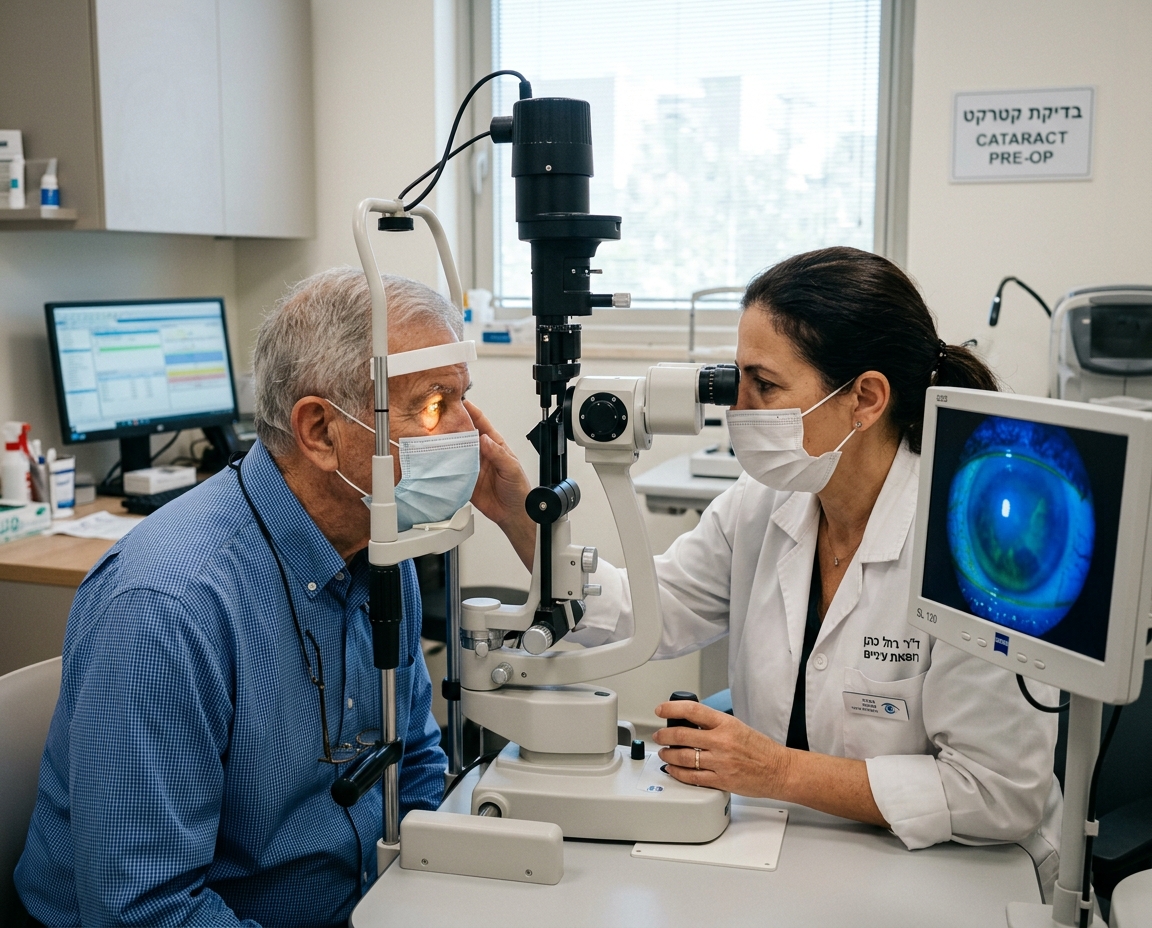
בדיקת דמעות לפני קטרקט היא שלב חיוני בהכנה לניתוח, משום

דלקת עפעפיים כרונית היא מצב דלקתי ממושך של שולי העפעפיים,