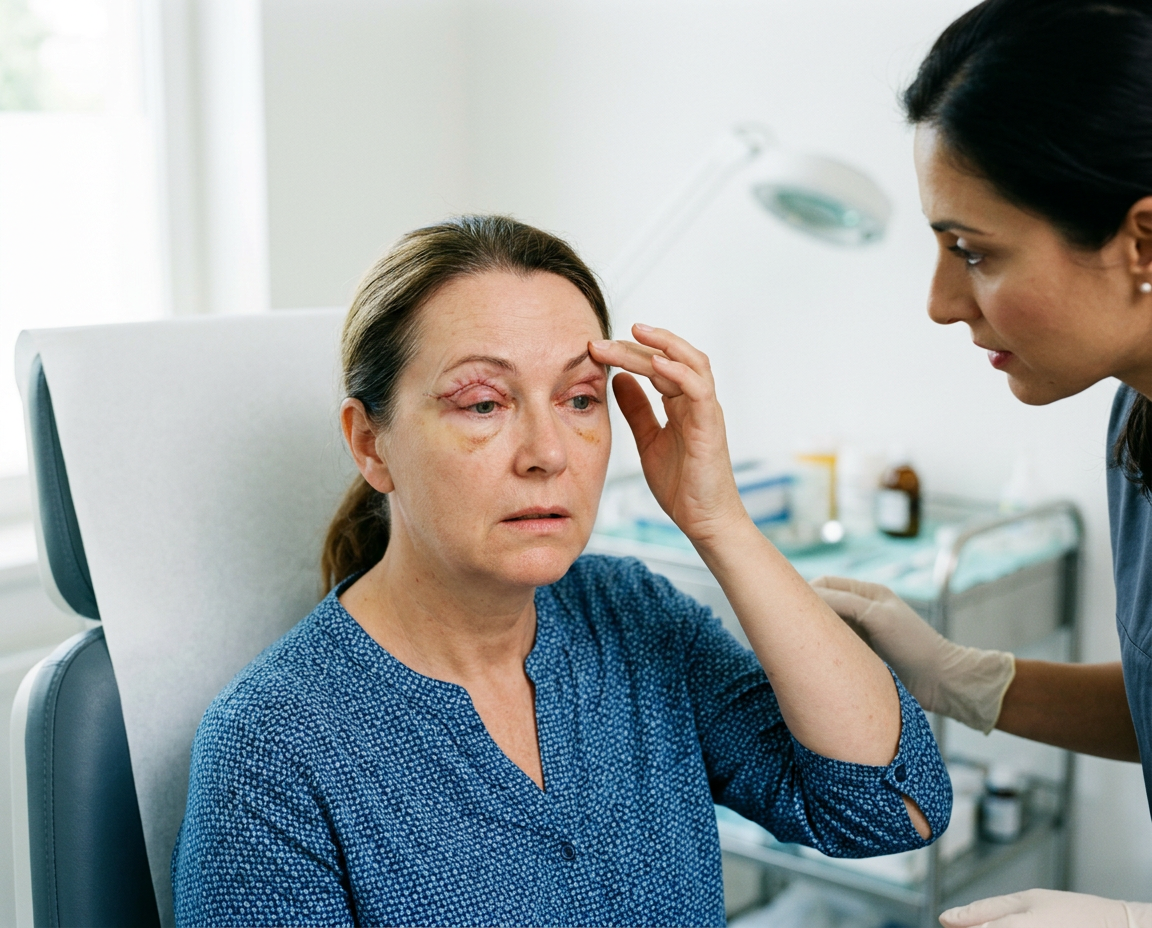
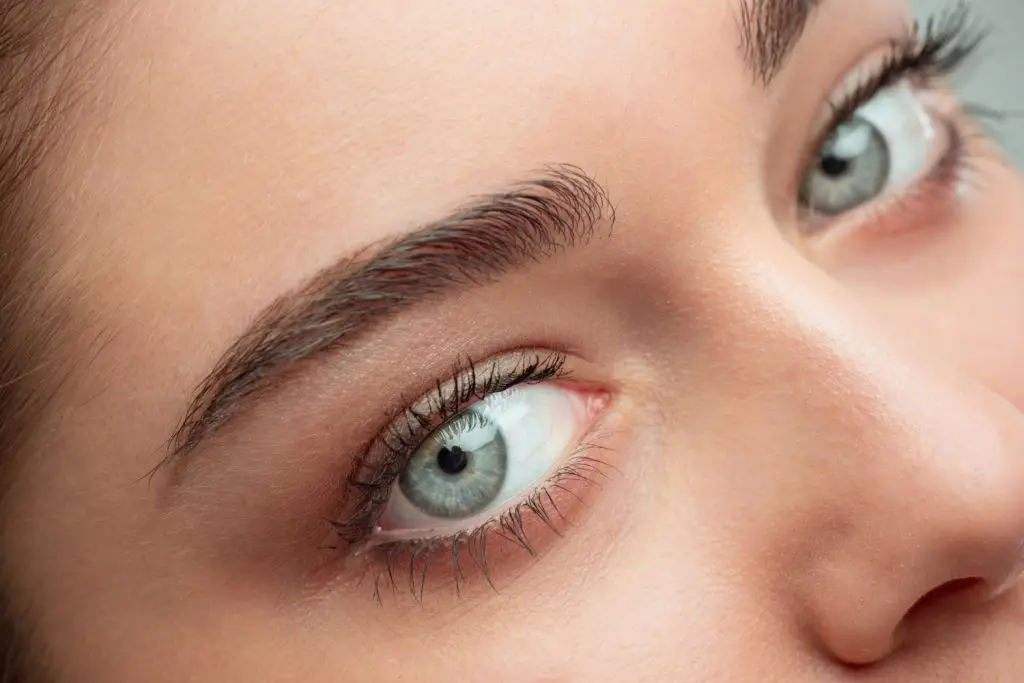
Eye twitching, a phenomenon that is often not noticed or misunderstood, is an intriguing topic that bridges neurology and ophthalmology. This condition, characterized by involuntary eye movements, can range from a benign, barely noticeable movement to a symptom of a more serious health problem. This article aims to shed light on the various aspects of eye tremors, from their causes and symptoms to diagnosis, treatment and management. By deepening the scientific and medical understanding of this condition, we can better understand its impact on those affected and explore advances in its treatment and management. Whether you are a medical professional, a patient, or just someone interested in learning more about this unique condition, this article is designed to provide a comprehensive and informative perspective on eye tremors.
Tremors in the eyes
Anatomy and physiology of the eye
Understanding flickering in the eyes requires a basic understanding of the anatomy and physiology of the eye. The human eye, a complex and delicate organ, is responsible for capturing and processing visual information. It consists of several key components:
Cornea and lens: These structures work together to focus light on the retina. The cornea is the clear, protective outer layer of the eye, while the lens adjusts its shape to adjust focus.
Retina: Located at the back of the eye, the retina is a layer of cells that senses light and converts it into electrical signals. These signals are sent to the brain through the optic nerve.
Iris and pupil: The iris, the colored part of the eye, controls the size of the pupil, the opening that regulates the amount of light entering the eye.
Extraocular muscles: These six muscles control the movement of the eyeball in different directions, allowing us to look up, down, left, right and diagonally.
The vision process begins when light enters the eye through the pupil and is focused on the retina. The retina then converts this light into electrical signals that are transmitted to the brain via the optic nerve. The brain interprets these signals, allowing us to perceive the world around us.
Eye movements are usually smooth and coordinated, thanks to the complex functioning of the extraocular muscles and the neurological control exerted by the brain. When these movements become involuntary, producing a shaking effect, it is known as eye tremors. These vibrations can be subtle or pronounced, and their presence can indicate various health conditions or problems. Understanding the normal function of the eye and its movements is essential in identifying and treating abnormalities related to eye twitching.
causes flickering in the eyes
Eye twitching can be attributed to a wide variety of factors, each affecting eye movement in unique ways. These causes can be classified into neurological, ocular, environmental and genetic factors.
Neurological causes: Certain neurological disorders can lead to eye twitching. Parkinson's disease, for example, often causes a kind of characteristic blinking. Multiple sclerosis, another neurological condition, can cause nystagmus, in which the eyes make rapid, uncontrolled movements.
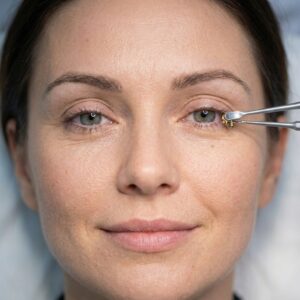
Eye Causes: Conditions related to the eyes themselves can be direct contributors. Nystagmus, often present from birth or developing in early childhood, involves involuntary, rhythmic eye movement. Myokymia, a more common and usually benign condition, involves spontaneous and subtle twitching of the eyelid muscles.
Environmental and lifestyle factors: Factors such as extreme stress, fatigue, and substance use (including caffeine, alcohol, and certain medications) can cause temporary eye tremors. These tremors usually go away once the triggering factor is eliminated or reduced.
Genetic factors and heredity : In some cases, eye twitching can be a hereditary condition, passed down through the generations. Genetic predisposition can play a significant role, especially in conditions such as congenital nystagmus.
Symptoms and diagnosis of tremors in the eyes
The symptoms of eye twitching can vary widely depending on the underlying cause. Some common phrases include:
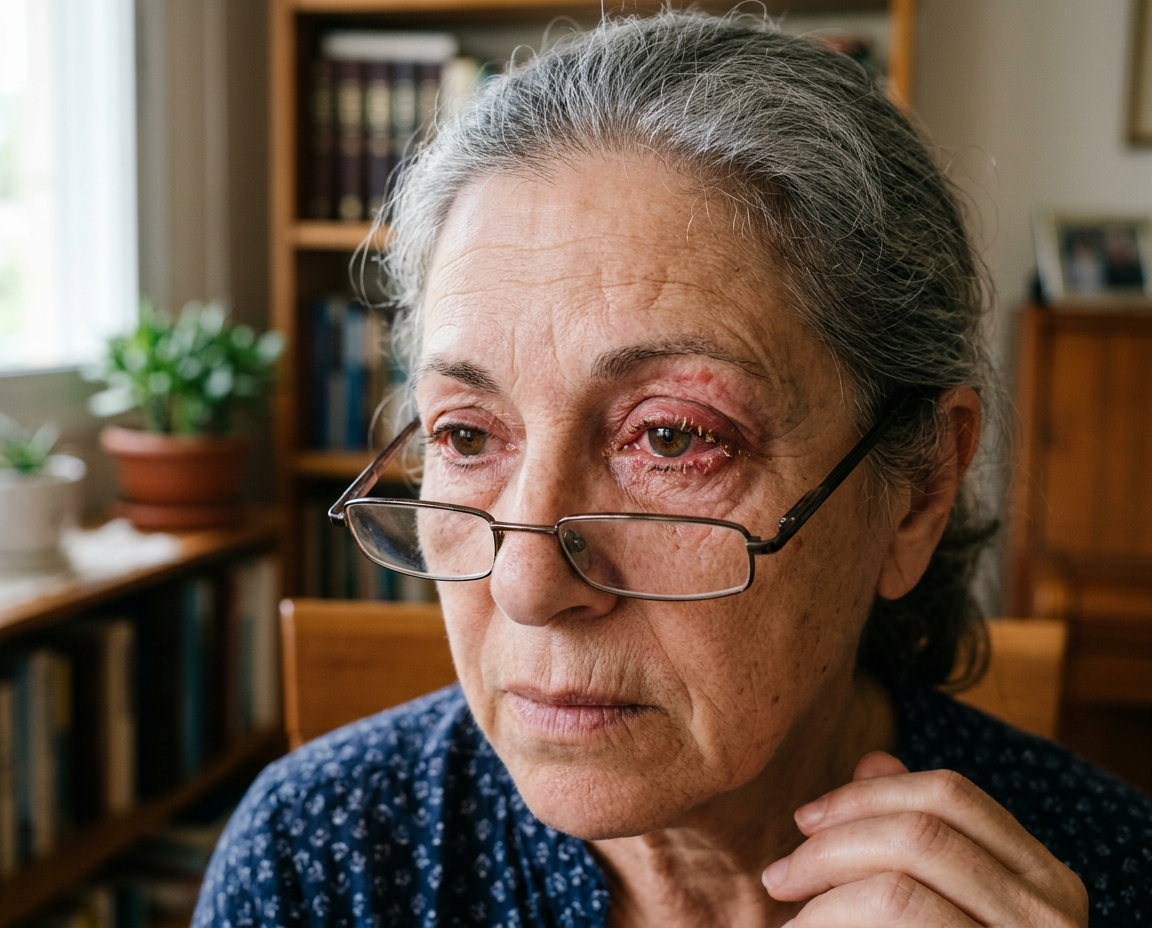
Visible tremor of the eyelids or eyeballs: can be barely noticeable or quite noticeable.
Blurred vision: When the eyes move involuntarily, it can lead to difficulty focusing, resulting in blurred vision.
Dizziness or balance problems: especially in cases where the eye movements are fast and uncontrolled.
Difficulty in eye coordination: There may be challenges in aligning the eyes properly.
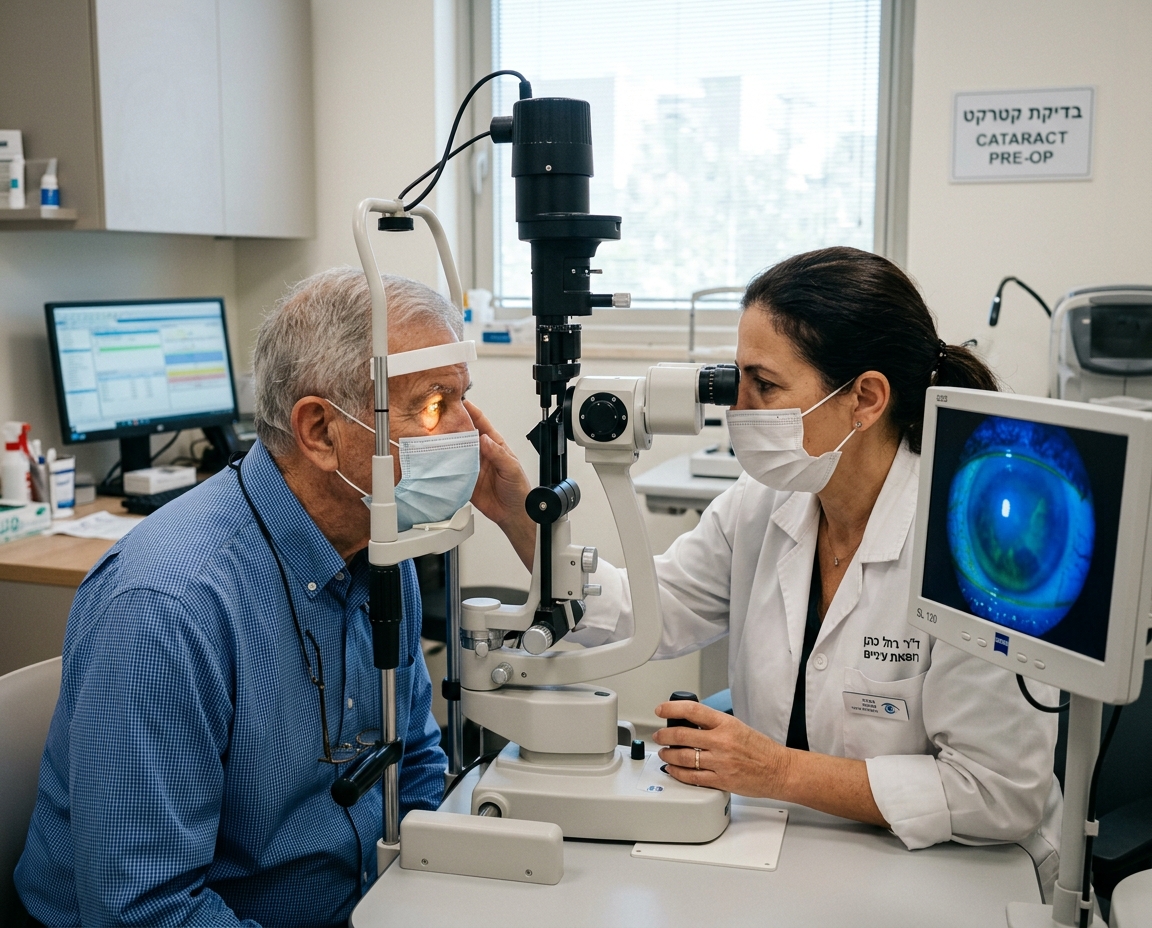
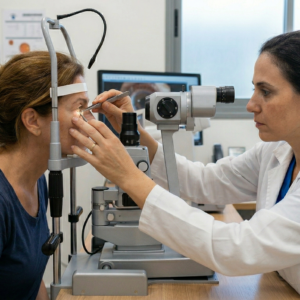
Diagnosing tremors in the eyes includes a combination of medical history review, physical examination and specific diagnostic tests:
Medical history and physical examination: A thorough review of the patient's medical history, including any family history of ocular tremors, is essential. A physical examination, focusing on eye movement, can provide initial insights.
Diagnostic and imaging tests: depending on the suspected cause, different tests can be performed. These can include eye exams, neurological tests, and imaging studies such as MRI or CT scans to evaluate brain and eye structures.
The diagnostic process is essential not only to identify the presence of eye tremors but also to understand their root cause. This understanding is essential to developing an effective treatment plan.
Effects and complications of tremors in the eyes
The effects of flickering eyes extend beyond just physical symptoms, and may affect various aspects of a person's life.
Discomfort and impaired vision: Prolonged flickering in the eyes can lead to persistent visual disturbances such as blurred vision or difficulty focusing, which can affect daily activities such as reading, driving or using a computer.
Emotional and psychological effects: the presence of pronounced eye movements can lead to impaired self-confidence or social anxiety, especially if the situation is not understood by others. In severe cases, it can lead to social withdrawal or depression.
Physical effort: constant eye movements can strain the eyes, leading to headaches, fatigue and even increased sensitivity to light.
Potential for misdiagnosis: Since eye twitching can be a symptom of various conditions, there is a risk of misdiagnosis, which will lead to inappropriate or delayed treatment.
Progression to more serious conditions: In some cases, untreated eye tremors may indicate or develop into more serious neurological or eye conditions that require more complex treatment approaches.
Treatment of tremors
The treatments for eye tremors are adjusted to the underlying cause and the severity of the symptoms. They can range from medical interventions to lifestyle adjustments.
medical treatments
Medications: Certain medications can help control the symptoms of eye tremors, especially if they are related to neurological conditions. These may include muscle relaxants, anticonvulsants or beta blockers.
Surgical options: In some cases, especially for severe nystagmus or related conditions, surgery may be needed to adjust the muscles that control eye movements or to treat structural problems within the eye.
Non-medical interventions
Lifestyle changes: Reducing caffeine intake, ensuring adequate rest, and managing stress can help relieve symptoms if the tremors are related to lifestyle factors.
Physical therapy and eye exercises: Special exercises to strengthen the eye muscles and improve eye movement control can be helpful, usually under the guidance of an ophthalmologist or physical therapist.
Alternative and complementary therapies: Some people may find relief through acupuncture, yoga or other holistic approaches, although the effectiveness of these methods can vary widely and should be considered adjunct to medical advice.
Regular monitoring and testing: Regular follow-ups with a health care professional are essential, especially since the progression of eye twitches may change, and treatment plans may need to be adjusted over time.
The goal of these treatments and management strategies is not only to relieve the physical symptoms of eye tremors but also to improve the overall quality of life of those affected. With proper treatment, many people with eye tremors can lead normal, active lives.
live with flickering eyes
Living with flickering eyes involves adapting to the condition both physically and emotionally. It requires a multidisciplinary approach that includes medical management, lifestyle adjustments, and emotional support.
Adjusting daily activities: People may need to change how they perform daily tasks, especially those that require precise vision. This can include using assistive technologies or implementing strategies to reduce eye strain.
Coping Mechanisms: Developing coping strategies is essential. This can include relaxation techniques, stress management, or finding hobbies that don't make symptoms worse.
Support systems: Support from family, friends and support groups can be invaluable. Sharing experiences with others who understand the challenges of living with eye tremors can provide emotional relief and practical advice.
Educational and occupational considerations: Individuals may need to discuss their situation with educators or employers to find accommodations that can help them maintain their performance and productivity.
Mental health: It is important to recognize and address the psychological impact of chronic conditions such as eye tremors. Seeking professional help from a counselor or psychologist can be helpful in managing any related anxiety or depression.
Recent advances and research in the field of eye tremors
The field of nystagmus research is constantly evolving, as new advances offer hope for a better diagnosis, treatment, and understanding of this condition.
Improved diagnostic techniques: Advances in imaging and diagnostic technology have made it easier to identify and characterize eye tremors. This helps with more accurate diagnosis and more tailored treatments.
Emerging therapies: Research into new drugs and surgical techniques continues to evolve. These include developments in neuromodulators, advanced laser treatments and minimally invasive surgical procedures that offer greater precision and reduced recovery times.
Genetic research: Because genetic factors play a role in certain types of eye tremors, continued research into the genetic basis of these conditions may lead to early detection and personalized treatment plans.
Neurological studies: Understanding the neurological underpinnings of eye twitches is a significant area of research. Insights into how neurological conditions affect eye movements can lead to more effective treatments for the root causes of tremor.
Patient-centered approaches: There is an increasing focus on the patient's quality of life in research, recognizing that the effectiveness of treatment should also be measured in terms of general well-being and daily functioning.
These advances in research and treatment not only improve the medical response to flickering in the eyes, but also provide a deeper understanding of the condition, paving the way for more effective and comprehensive treatment.
Summary about eye twitching
Eye twitching, a condition characterized by involuntary eye movements, encompasses a spectrum of causes, symptoms and treatments. Although they can range from benign and transient symptoms to indicators of more serious health problems, understanding their underlying mechanisms is essential for effective management. Advances in medical research continue to shed light on this complex condition, offering new avenues for diagnosis and treatment. Living with flickering eyes requires a holistic approach that addresses both physical and psychological aspects, emphasizing the importance of a strong support system and adaptation strategies for day-to-day life.
Through a combination of medical intervention, lifestyle changes, and emotional support, people with nystagmus can lead fulfilling lives. The insights gained from personal experiences and case studies enrich our understanding and approach to this situation. As research progresses, it promises to refine our knowledge and improve the quality of care for those who experience flickering eyes, ultimately improving their overall well-being and lives.
מודה לפרופסור יואב נחום על הטיפול היעיל והאישי, שיפר משמעותית את איכות חיי. מקצועיות ואדיבות בלתי רגילה. ממליץ בחום!
ישראל כץמנכ״ל
ד"ר מורין יוגב, מומחית לעין יבשה, הראתה לא רק ידע רב בתחומה, אלא גם יחס אישי ואכפתיות יוצאת דופן. תוך כדי טיפול, היא הסבירה כל שלב ושלב בתהליך, וכתוצאה מכך, השתפר מצב העיניים שלי משמעותית.
דנה סופר ברגמן
אני רוצה להגיד תודה לפרופסור מימוני.. עם המון סבלנות ואכפתיות למטופל. היה סבלני והסביר את כל שלב בזמן הבדיקה. רואה את המטופל שגם המטופל בנאדם ויש חששות .. ושאלות ומבין שזה טבעי .
גלית פלדמן לביא
הייתה לי בעית עין יבשה שנים. הטיפות לא עזרו וזה מאד הפריע. טופלתי במרכז לעין יבשה על ידי פרופסור מימוני. הוא הסביר לי את כל האופציות. לאחר הטיפול המצב שלי השתפר מאד ואין לי צורך בטיפות יותר….
קורין קומטי
פרופסור יואב נחום פשוט הציל אותי! טיפול מדויק ומקצועי בעין היבשה, תוצאות מדהימות בזמן קצר. מאוד מרוצה מהשיפור המהיר והמקצועיות. ממליץ בחום.
רפאל לוי
שירות ויחס מדהים מהמזכירות ודרך הרופאים.
עדיין מרגיש את תוצאות טיפול.
אני 3 ימים אחרי ומקווה לטוב.
אנדי טל
אין דרך מספקת בכדי לתאר באמת כמה אנחנו מרוצים ומודים לפרופסור מייקל מיימוני שהוא באמת בעינינו רופא מעל הרפואה ממש כך הוא גדוש בניסיון, ידע, מקצועיות, אכפתיות, אדיבות סובלנות ויחס אישי ואמיתי שטרם נתקלנו בו…
אסף חלי
טיפול מקצועי ברמה גבוהה ובאווירה נעימה מאוד. מומלץ!
קלאודיו גרוסמן
ד"ר איתמר ארבלי זכה באמוני עם גישה מקצועית וחמה. הוא טיפל בבעיית העין היבשה שלי באפקטיביות רבה, תוך שימוש בטכנולוגיות חדשניות ומתן תשומת לב אישית לכל הפרטים.
אני רוצה לומר לכל מי שחושש, זה עובד ואין שום סיבה להמשיך לסבול.
דורון קאופמןמנכ״ל
רופאים
פרופ' יואב נחום
מומחה לרפואת עיניים, התמחות בקרנית ומחלות פני שטח העין.
פרופסור יואב נחום הוא סגן מנהל מערך עיניים, מנהל שירות פני שטח העין ורופא בכיר ביחידת הקרנית, בי"ח בילינסון מרכז רפואי רבין, ורופא מנתח במכון להסרת משקפיים בלייזר אסותא אופטיק. למד לימודי רפואה באוניברסיטה העברית בירושלים, והתמחה ברפואת עיניים בבית החולים בילינסון. לאחר ההתמחות ביצע תת-התמחות בתחום מחלות הקרנית והעין החיצונית בביה"ח Villa Igea באיטליה.
פרופסור נחום חבר סגל הפקולטה לרפואה באוניברסיטת תל אביב בדרגת פרופסור חבר קליני. הוא עוסק במחקר קליני ומעבדתי, משתתף בכנסים בין-לאומיים בתחומו, ופרסם מעל חמישים מאמרים בעיתונות המקצועית. פרופסור נחום משמש גם כמרצה בביה"ס האירופי ללימודים מתקדמים ברפואת עיניים ESASO, חבר באיגוד רופאי העיניים בישראל, באגודה הישראלית לחקר העין והראיה, וכן באגודה האירופאית לקטרקט וניתוחי הסרת משקפיים ESCRS.
מרצה בבית הספר האירופי ללימודים מתקמדים ברפואת עיניים ESASO
חברות באיגודים מקצועיים
איגוד רופאי העינים בישראל
European Society of Cataract and Refractive Surgeons
אגודה הישראלית לחקר העין והראיה
לקביעת תור
פרופ' יואב נחום
כיסוי ביטוחי
החזר עבור יעוצים מכל חברות הביטוח, פרטי.
ימי פעילות וקבלת קהל
ימי ראשון 15:30 עד 20:00
לקביעת תור
אודות פרופ' מייקל מימוני
אודות
פרופסור מייקל מימוני, מנהל יחידת הקרנית במחלקת עיניים בקריה הרפואית רמב"ם ומרצה קליני בכיר בטכניון, סיים את לימודי הרפואה באוניברסיטת תל-אביב בהצטיינות. ב2022, פרופסור מימוני נבחר להיות יושב ראש חוג קרנית מטעם איגוד רופאי העיניים הישראלי. במסגרת התמחותו השתתף פרופסור מימוני בתוכנית מחקר היוקרתית "עתידים" וזכה בפרס מתמחה מצטיין כלל ארצי (מטעם איגוד רופא העיניים הישראלי-ILOS) עבור הישגיו הכירורגיים, הקליניים והמחקריים.
במהלך התמחותו פרופסור מימוני עבר השתלמויות במרכזים רפואיים מצטיינים באירופה וזכה בפרסים ומלגות מטעם האיגוד האירופאי לקטרקט וניתוחי רפרקציה (ESCRS) ומטעם האיגוד הבין-לאומי לניתוחי רפרקציה (ISRS). בהמשך ביצע פרופסור מימוני תת-התמחות כירורגית במרכז מוביל בצפון אמריקה (University of Toronto) בתחום של השתלות קרנית, ניתוחי קטרקט, עין יבשה והסרת משקפיים בלייזר. במהלך תקופה זו בת שנתיים נחשף פרופסור מימוני לשיטות ניתוח חדשניות ומתקדמות. בסוף הפלושיפ זכה פרופסור מימוני בפרס של הכירורג המצטיין של מחזורו. עד כה פרסם פרופסור מימוני מעל 180 מחקרים מקוריים בספרות המקצועית ומשמש כעורך וסוקר עבור עשרות עיתונים מדעיים בתחומים של השתלות קרנית, ניתוחי קטרקט, עין יבשה והסרת משקפיים בלייזר. בעבור עבודתו המחקרית זכה פרופסור מימוני במספר פרסים ומלגות לאומיות ובין-לאומיות. פרופסור מימוני מציג ומשתתף באופן פעיל בכנסים בינלאומיים ופועל כמרצה מוזמן בתחומי מקצועו וכמשתתף בהוראת סטודנטים ומתמחים ברפואת עיניים בארץ ובעולם. לרשימת מאמריו העדכנית לחצו על הקישור.
תחומי התמחות
סוגי טיפולים וניתוחים
ניסיון אקדמאי
חברות באיגודים מקצועיים
לקביעת תור
פרופ' מייקל מימוני
כיסוי ביטוחי
החזר עבור יעוצים מכל חברות הביטוח, פרטי.
ימי פעילות וקבלת קהל
ימי שלישי 14:30 עד 19:00
לקביעת תור
אודות ד"ר מריה צסלר
אודות
ד"ר מריה צסלר היא רופאת עיניים בכירה במרפאת פני שטח העין והקרנית, ומנתחת בתחום הקטרקט במרכז הרפואי אסותא אשדוד. היא סיימה את לימודי הרפואה באוניברסיטת תל אביב, והתמחתה ברפואת עיניים בבית החולים שערי צדק שבירושלים.
ד"ר מריה צסלר עוסקת במחקר קליני ובהוראה, משתתפת בכנסים בין-לאומיים בתחומה, ופרסמה מאמרים בעיתונות המקצועית. היא חברה באיגוד רופאי העיניים בישראל, וכן באיגודים האירופאיים לקטרקט וניתוחי הסרת משקפיים ESCRS ו-ISRS.
תחומי התמחות
רפואת עיניים
ניתוחי קטרקט
טיפול בקרטוקונוס באמצעות שיטת CXL
סוגי טיפולים וניתוחים
ניתוחי קטרקט CXL
ניסיון אקדמאי
לימודי רפואה באוניברסיטת תל אביב 2004-2011 התמחות בעיניים במרכז הרפואי שערי צדק, ירושלים 2019-2024
חברות באיגודים מקצועיים
איגוד רופאי העיניים בישראל
ISRS
ESCRS
לקביעת תור
ד"ר מריה צסלר
כיסוי ביטוחי
החזר עבור יעוצים מכל חברות הביטוח, פרטי.
ימי פעילות וקבלת קהל
ימי שני 15:30 עד 20:00
לקביעת תור
אודות ד"ר אלעד זיו-און
אודות
תחומי התמחות
עיניים
סוגי טיפולים וניתוחים
ניתוחי קטרקט, CXL
ניסיון אקדמאי
חברות באיגודים מקצועיים
איגוד רופאי העיניים בישראל
ISRS
לקביעת תור
ד"ר אלעד זיו-און
כיסוי ביטוחי
החזר עבור יעוצים מכל חברות הביטוח, פרטי.
ימי פעילות וקבלת קהל
לקביעת תור
אודות ד"ר דוריאן זיינדנוובר
אודות
ד״ר דוריאן אריאל זיידנוובר הוא רופא עיניים מומחה בעל תת־התמחות בקרנית, עין יבשה ומחלות שטח העין.
הוא מקבל מטופלים במרפאת העין היבשה בהרצליה, במרכזים הרפואיים של כללית בגבעתיים, ראשון לציון ונוף ים, וכן במרפאה פרטית בתל אביב.
לד״ר זיידנוובר ניסיון רב בתחומים:
ניתוחי קטרקט וניתוחים לתיקון הראייה
ניתוחי פטריגיום וגידולי שטח העין
השתלות קרנית אנדותליאליות
טיפול במקרים מורכבים של עין יבשה ומחלות קשות של שטח העין
את התמחותו ברפואת עיניים סיים בהצטיינות, ולאחריה השלים השתלמויות־על (Fellowships) ב־CODET Vision Institute במקסיקו, וב־Devers Eye Institute שבארה״ב, מהמוסדות המובילים בעולם להשתלות קרנית.
בהמשך שימש כרופא בכיר במחלקת הקרנית ב־UCLA Jules Stein Eye Institute בלוס אנג׳לס, שם ניהל את תחום העין היבשה ומחלות שטח העין הקשות.
מאז עלייתו לישראל בשנת 2023, משלב ד״ר זיידנוובר מצוינות קלינית, ניסיון בינלאומי ויחס אישי למטופל, במטרה להעניק טיפול מתקדם ובריאות עיניים מיטבית.
הוא מרצה בכנסים בינלאומיים בארה״ב, ישראל ואוסטרליה בנושאי השתלות קרנית ומחלות עין יבשה קשות.
תחומי התמחות
מומחה לרפואת עיניים – תת־התמחות בקרנית, עין יבשה ומחלות שטח העין
סוגי טיפולים וניתוחים
ניתוחי קטרקט וניתוחים לתיקון הראייה
ניתוחי פטריגיום וגידולי שטח העין
השתלות קרנית אנדותליאליות
טיפול במקרים מורכבים של עין יבשה ומחלות קשות של שטח העין
ניסיון אקדמאי
את התמחותו ברפואת עיניים סיים בהצטיינות, ולאחריה השלים השתלמויות־על (Fellowships) ב־CODET Vision Institute במקסיקו, וב־Devers Eye Institute שבארה״ב, מהמוסדות המובילים בעולם להשתלות קרנית.
חברות באיגודים מקצועיים
איגוד רופאי העיניים בישראל
ISRS
לקביעת תור
ד"ר דוריאן זיינדנוובר
כיסוי ביטוחי
החזר עבור יעוצים מכל חברות הביטוח, פרטי.
ימי פעילות וקבלת קהל
לקביעת תור
אודות ד"ר מרגריטה ספיר
אודות
תחומי התמחות
עיניים
סוגי טיפולים וניתוחים
ניתוחי קטרקט, CXL
ניסיון אקדמאי
חברות באיגודים מקצועיים
איגוד רופאי העיניים בישראל
ISRS
לקביעת תור
ד"ר מרגריטה ספיר
כיסוי ביטוחי
החזר עבור יעוצים מכל חברות הביטוח, פרטי.
ימי פעילות וקבלת קהל
לקביעת תור
אודות ד"ר מורין יוגב
אודות
ד"ר מורין יוגב היא רופאה מומחית במחלות עיניים. סיימה לימודי רפואה באוניברסיטת Alma Mater Studiorum- מרכז רפואי מהמובילים בעולם, בתחום הרפואה בפרט בבולוניה שבאיטליה. בהמשך סיימה סטאז' במרכז הרפואי סוראסקי (איכילוב) שבתל אביב. ד״ר יוגב התמחתה ברפואת עיניים במרכז הרפואי רבין (בילינסון). בהמשך עברה השתלמות מקצועית בתחום מחלות קרנית ומקטע קדמי בביה״ח Villa Igea באיטליה. כעת עובדת כרופאה מומחית במרפאות בהרצליה, בכפר סבא, ובמחלקת עיניים בבית חולים מאיר. ד"ר יוגב שותפה בפרסומי מאמרים בספרות המקצועית ברפואת עיניים. השתתפה בכנסים מקצועיים והציגה בכנסים של האגודה הישראלית לרפואת עיניים ובמסגרת החוג לרפואת עיניים באוניברסיטת תל אביב. ד״ר יוגב הינה חברה באיגוד רופאי העיניים בישראל ואיגוד רופאי הגלאוקומה בישראל
תחומי התמחות
עיניים, גלאוקומה, קטרקט, מקטע קדמי
סוגי טיפולים וניתוחים
קטרקט, הסרת פטריגיום, מקטע קדמי
ניסיון אקדמאי
לימודי רפואה באוניברסיטת בולוניה, איטליה
השתלמות מקצועית במחלות קרנית ומקטע קדמי בבית החולים Villa Igea