blurred vision

Getting your Trinity Audio player ready...

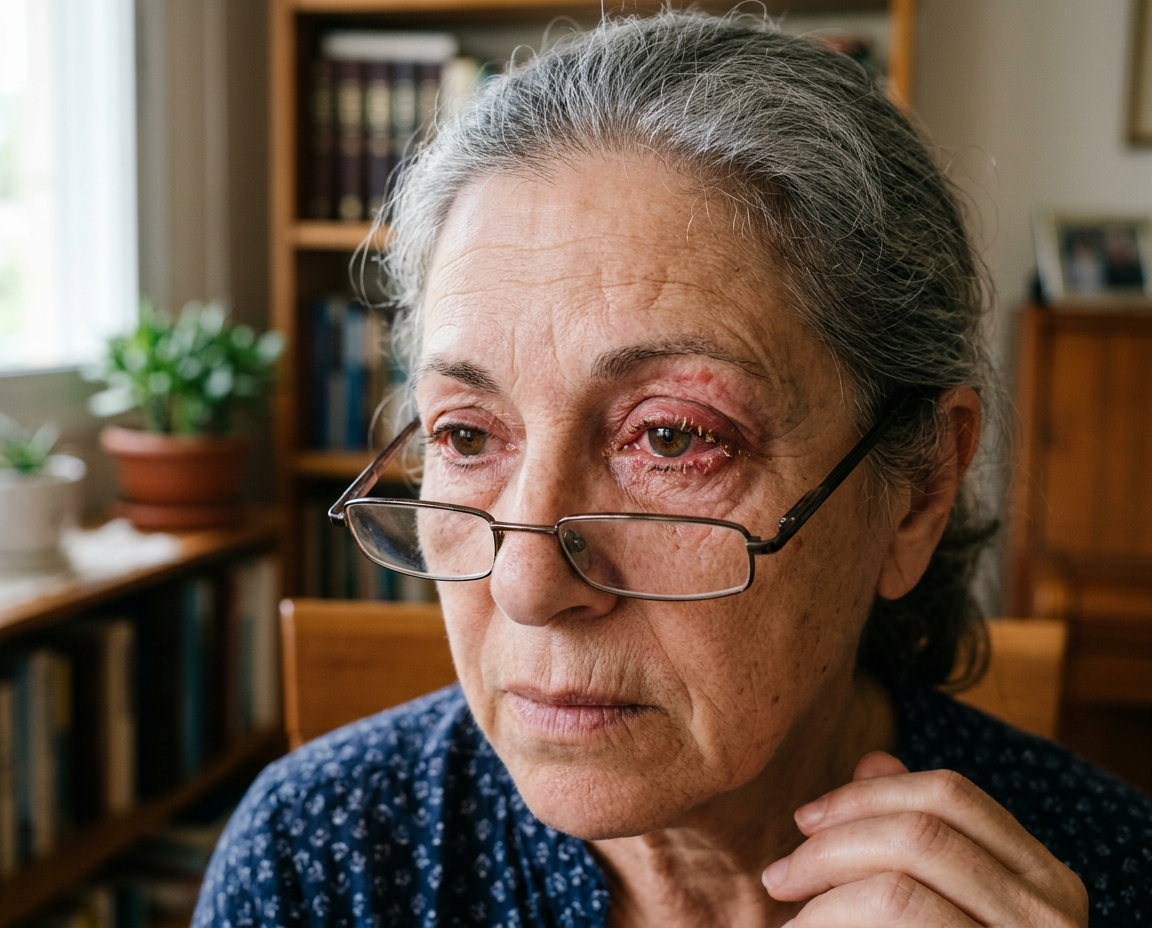
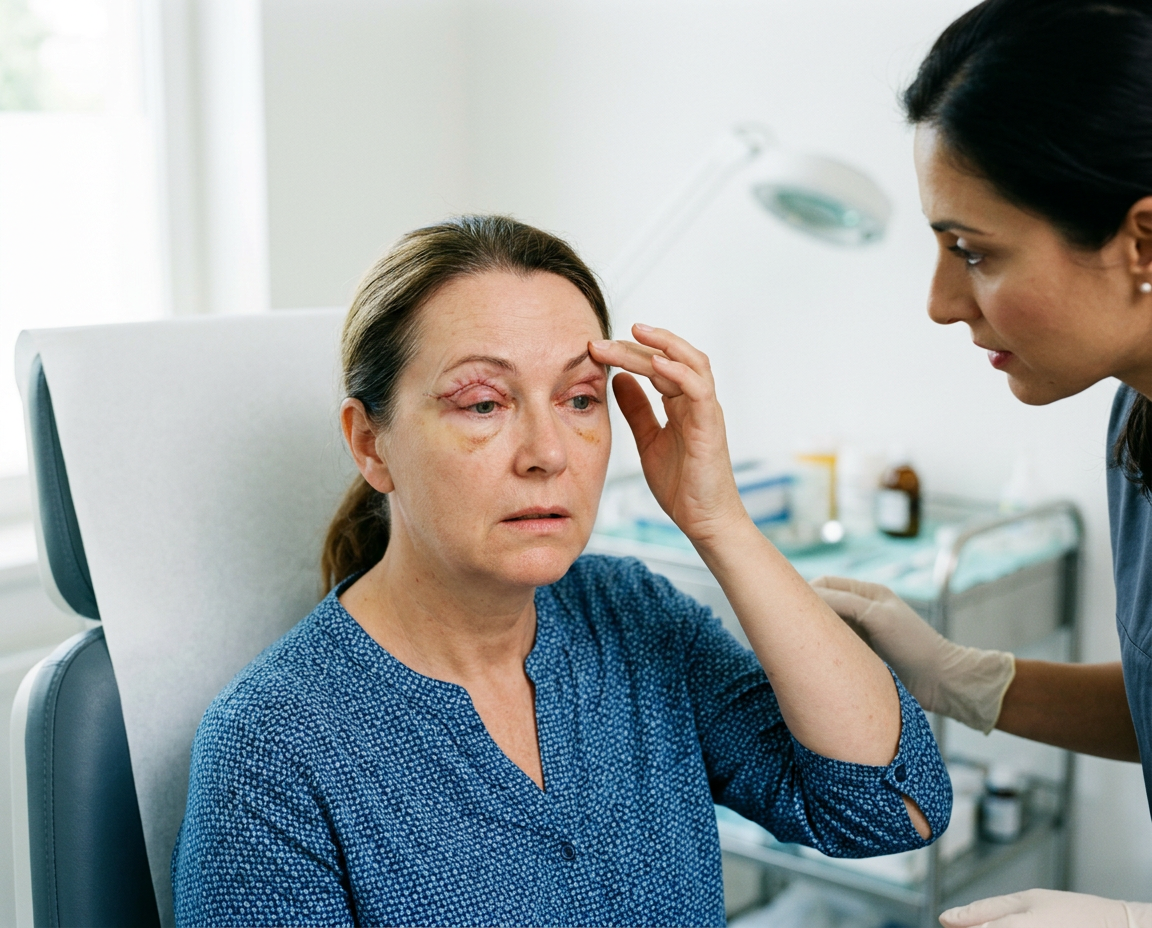
Blurred vision is a common problem that affects millions of people around the world. It can be a minor nuisance or a symptom of a serious health condition. This condition, characterized by a lack of sharpness and clarity in vision, can significantly affect the quality of life. This article aims to provide a comprehensive overview of blurred vision, delving into its various causes, the mechanics of human vision, diagnostic methods, treatment options and dealing with blurred vision in everyday life.

blurred vision

line of sight

Understanding human vision requires looking into the complex structures and processes that allow us to perceive the world around us. Vision begins when light enters the eye through the cornea, the clear front surface of the eye. The cornea bends the light, which then passes through the pupil, the opening in the center of the iris, the colored part of the eye. The size of the pupil adjusts in response to the amount of light available, and controls the amount of light entering the eye.

After passing through the pupil, light reaches the lens, a flexible structure that changes shape to focus light rays on the retina, the light-sensitive layer of tissue at the back of the eye. The retina contains receptor cells, called cons & rods, that convert light into electrical signals. rods are responsible for seeing in low light levels, while cons are responsible for seeing color and fine details.

These electrical signals are transmitted to the brain through the optic nerve. The brain processes these signals, and converts them into images that we see. This complex process involves many factors, including the clarity of the visual aids, the health of the retina, the integrity of the optic nerve and the proper functioning of the visual centers in the brain.

Factors affecting visual acuity can range from refractive errors, where the shape of the eye does not bend light correctly, to conditions affecting the retina or optic nerve. Understanding the visual pathway is essential to understanding how various conditions and diseases can lead to blurred vision and how such conditions can be effectively treated.

Common causes of blurred vision

Blurred vision can be caused by a myriad of causes, from temporary and benign conditions to more serious health conditions. Understanding these causes is the first step in finding appropriate treatment.

Refraction errors

Refractive errors are the most common cause of blurred vision. They occur when the shape of the eye prevents light from focusing properly on the retina. The main types of refractive errors include:

  1. Myopia: Difficulty seeing distant objects clearly.
  2. Farsightedness: Difficulty seeing close objects clearly.
  3. Astigmatism: distorted or blurred vision at any distance, usually due to an irregularly shaped cornea.

age-related reasons

As we age, our eyes undergo natural changes that can affect vision:

  1. Presbyopia: gradual loss of the eyes' ability to focus on near objects, usually starting in the mid-40s.
  2. Cataract: Clouding of the lens, leading to blurred or blurred vision, usually in adults.

Environmental factors and lifestyle

External factors can also contribute to temporary blurred vision:

  1. Eye strain: Prolonged periods of intense use, such as reading or staring at digital screens.
  2. Dry eyes: insufficient production of tears leading to irritation and blurred vision.

medical conditions

Several health conditions can lead to blurred vision as a symptom:
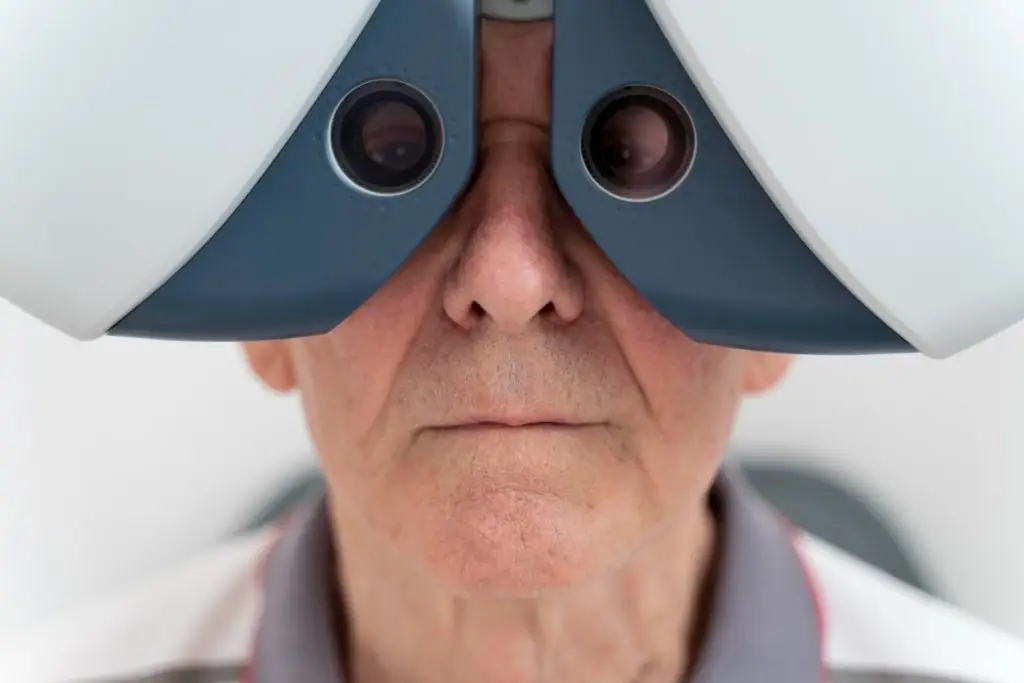
  1. Diabetes: high blood sugar levels can lead to swelling of the lens or damage to blood vessels in the retina (diabetic retinopathy).
  2. Hypertension: High blood pressure can cause damage to the blood vessels in the retina.
blurred vision

Diagnosis of blurred vision

When experiencing blurred vision, it is essential to accurately diagnose the underlying cause in order to receive appropriate treatment. The diagnostic process usually includes the following steps:

when to seek help

Recognizing the signs that require medical attention is essential. An ophthalmologist should be consulted if they experience:

  1. Sudden onset of blurred vision.
  2. Blurred vision accompanied by eye pain, headaches or floaters (tiny spots that seem to float across the field of vision).
  3. A noticeable decrease in the quality of vision that interferes with daily activities.

Comprehensive eye examination

A thorough eye exam is the cornerstone for diagnosing blurred vision. An optometrist or ophthalmologist will perform various tests:

  1. Visual acuity test: reading letters in a table to measure how well you see at different distances.
  2. Refractive evaluation: testing different lenses to determine if a refractive error is causing vision problems.
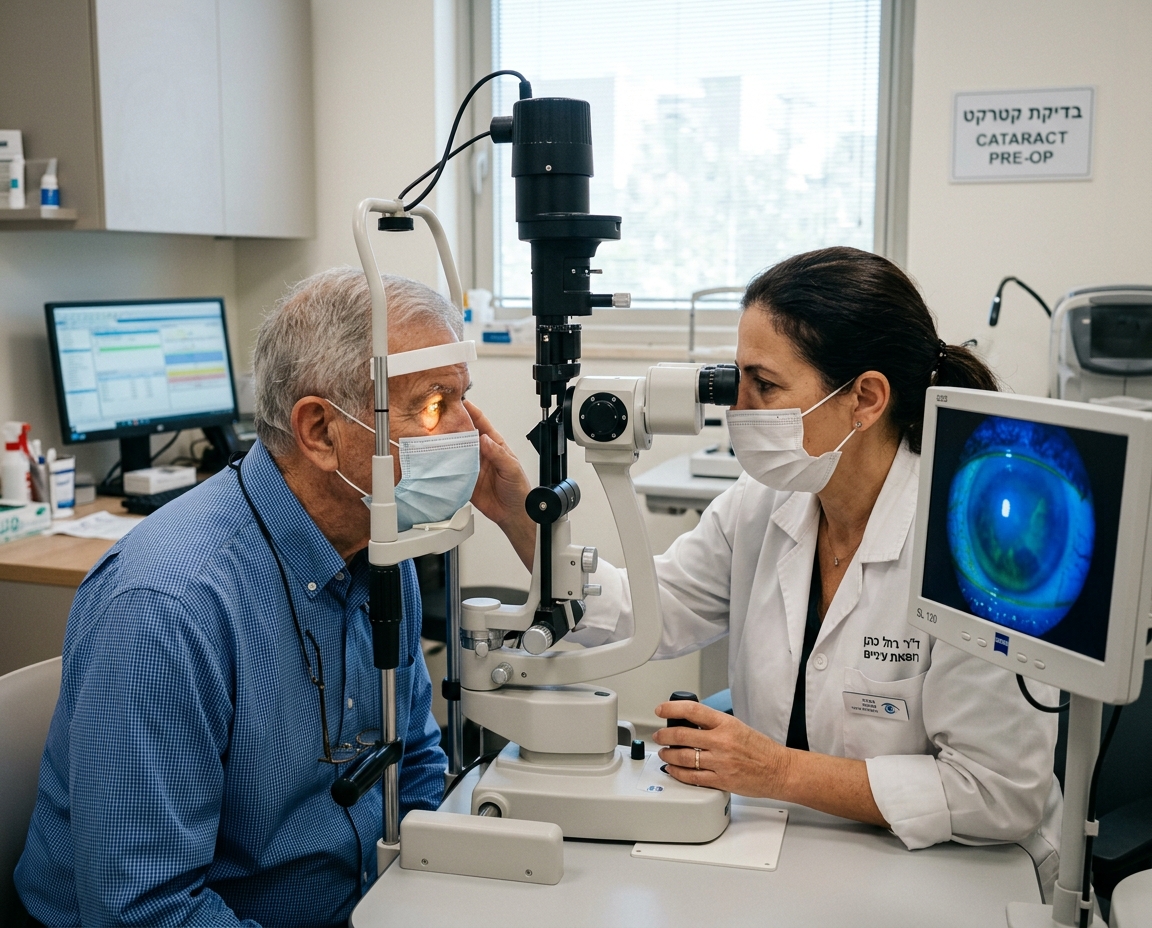
  3. Slit lamp test : examination of the front part of the eye, including the cornea, iris and lens, to detect abnormalities.

Advanced diagnostic tools and techniques

Depending on the initial findings, additional tests may be used to investigate the causes of blurred vision:

  1. Retinal examination: evaluation of the back of the eye, including the retina, retinal blood vessels, vitreous, and optic nerve head.
  2. Tonometry: measuring the pressure inside the eye, which can indicate glaucoma.
  3. Imaging tests: such as OCT or fluorescein angiography, to provide detailed images of the structures of the eye.

Diagnosing the cause of blurred vision often requires a combination of taking a thorough medical history, physical examination and special tests. Accurate diagnosis is essential for effective treatment and management of the underlying condition.

Treatment and management options

Treatment of blurred vision depends on an accurate diagnosis of the underlying cause. Treatment strategies may vary from simple measures to more complex medical interventions.

Vision corrections

For refractive errors such as myopia, farsightedness and astigmatism, the main treatment includes corrective lenses:

  1. Glasses: the simplest and most common solution for correcting refractive errors.
  2. Contact lenses: offer more natural vision than glasses and are preferred by many for cosmetic or comfort reasons.
  3. Refractive surgery: Procedures like LASIK can correct certain refractive errors by reshaping the cornea, offering a more permanent solution.

Treatment of basic health conditions

When blurred vision is a symptom of an underlying health problem, treating the problem is a priority:

  1. Diabetes management: maintaining blood sugar levels is essential to prevent diabetic retinopathy and other eye complications.
  2. Control of hypertension: Proper management of blood pressure can prevent or slow the progression of retinopathy.

treatment and rehabilitation

In cases where the blurred vision cannot be fully corrected, vision rehabilitation can be recommended:

  1. A series of vision exercises designed to improve vision skills such as eye movement control, eye coordination and focus.
  2. Low Vision Rehabilitation: Helps people make the most of their remaining vision through adaptive devices and strategies to maintain their independence and quality of life.

living with blurred vision

Living with blurred vision can be overwhelming with daily challenges, but various strategies and resources can help people cope and maintain their quality of life.

Lifestyle adjustments and home remedies

Simple changes can sometimes make a significant difference in managing the effects of blurred vision:

  1. Proper lighting: Sufficient and appropriate lighting can reduce the strain on the eyes.
  2. Screen time management: regular breaks and the use of blue light filters can minimize the strain on the eyes as a result of prolonged use of a digital device.
  3. Nutrition and hydration: A balanced diet rich in vitamins and minerals, especially antioxidants and omega-3 fatty acids, can support eye health.

Blurred vision in everyday life

Adapting to blurred vision involves adjusting daily activities and environments:

  1. Home safety: removing hazards and organizing living spaces can prevent accidents and improve navigation around the house.
  2. Assistive technologies: Devices such as magnifying glasses, audiobooks, and voice-activated systems can help maintain independence and improve accessibility.

Support systems and resources

A strong support system and knowledge of helpful resources can make a significant difference:

  1. Support groups: Connecting with others facing similar challenges can provide emotional support and practical advice.
  2. Professional assistance: Occupational therapists and low vision specialists can offer guidance and resources to help manage the impact of blurred vision on daily life.

Living with blurred vision involves not only medical care but also making adjustments in daily life and seeking support. With the right strategies and resources, people can maintain their independence and continue to lead fulfilling lives.

Prevention and eye care

Preventing blurred vision and maintaining optimal eye health involves a proactive approach and incorporating healthy practices into your daily life.

Protective measures and eye safety

Protecting your eyes from damage is fundamental:

  1. Wearing protective glasses: using sunglasses that block UV rays and safety glasses when engaging in activities that pose a risk to your eyes.
  2. Reducing eye strain: Practice the 20-20-20 rule when using digital devices – every 20 minutes, look at something 20 feet away for 20 seconds.

Nutrition and lifestyle considerations

A healthy lifestyle can contribute significantly to eye health:

  1. Balanced diet: consume foods rich in vitamins A, C and E, and minerals such as zinc, which are essential for maintaining eye health.
  2. Moisture levels: proper moisture can prevent dry eyes and maintain overall eye health.
  3. Quit smoking: Smoking increases the risk of age-related eye diseases, including macular degeneration and cataracts.

Periodic eye exams

Routine eye exams can catch problems early, often before any symptoms:
  1. Routine eye exams: Adults should have an eye exam every one to two years, or as recommended by their eye doctor.
  2. Monitor vision changes: Monitor any changes in your vision and report them to your eye doctor immediately.
blurred vision

The future of vision care

The field of vision care is developing rapidly, with groundbreaking research and technological progress paving the way for innovative treatments and solutions.

Technological progress in eye care

Emerging technologies are changing the diagnosis, treatment and management of eye diseases:

  1. Telemedicine: Remote consultations and eye exams are becoming more common, increasing the accessibility of eye care.
  2. Wearable technology: Devices such as smart glasses are being developed to assist people with poor vision, incorporating augmented reality to enhance their visual experience.

Research frontiers: stem cells, gene therapy and beyond

Innovative research provides promise for the future of vision care:

  1. Stem cell therapy: Potential treatments for conditions such as macular degeneration are on the horizon, with the goal of restoring or repairing damaged eye tissue.
  2. Gene therapy: Breakthrough treatments for hereditary retinal diseases are beginning to emerge, offering hope where there was none before.

The role of public health in preserving vision

Public health initiatives play a crucial role in eye care, focusing on prevention, education and access to care:

  1. Educational programs: increasing awareness of eye health, disease prevention and the importance of regular eye exams.
  2. Accessibility: Ensuring that communities, especially disadvantaged populations, have access to quality eye care services.

Summary

Blurry vision can significantly affect a person's life, but understanding its causes, seeking appropriate diagnosis and treatment, and adopting preventive measures can greatly improve a person's quality of life. The field of vision care is advancing rapidly, offering hope and new solutions to those affected by vision problems. By maintaining eye health and adopting a proactive approach to eye care, people can protect their vision and maintain their independence and well-being for years to come.

מאמרים אחרונים

מרכז מומחים לאבחון וטיפול מתקדם בתסמונת העין היבשה ומחלות פני שטח העין

לייעוץ ראשוני ללא התחייבות התקשרו עכשיו

או השאירו פרטים:

[scallacf7 scallacampid="טופס לידים אתר עין יבשה"]

תוכן עניינים

מוצרים שאולי יעניינו אותך

לקוחות ממליצים

רופאים

פרופ' יואב נחום​

מומחה לרפואת עיניים, התמחות בקרנית ומחלות פני שטח העין.

פרופ' מייקל מימוני

מומחה לרפואת עיניים, התמחות בקרנית ומחלות פני שטח העין.

ד"ר מריה צסלר

מומחית לרפואת עיניים ומנתחת.

ד"ר אלעד זיו-און

מומחה לרפואת עיניים

ד"ר דוריאן זיינדנוובר

מומחה לרפואת עיניים, התמחות בקרנית ומחלות פני שטח העין

ד"ר מרגריטה ספיר

מומחית לרפואת עיניים.

ד"ר מורין יוגב

מומחית לרפואת עיניים.

מן התקשורת

פרופ' יואב נחום – התפרצות דלקת העיניים בכינרת

פרופ' יואב נחום – בדירוג DUNS100 של רופאי העיניים המובילים במדינה

דירוג הרופאים המצטיינים בישראל

פרופ' מייקל מימוני

דירוג הרופאים המצטיינים בישראל

פרופ' יואב נחום

אודות פרופ' יואב נחום​

אודות

פרופסור יואב נחום הוא סגן מנהל מערך עיניים, מנהל שירות פני שטח העין ורופא בכיר ביחידת הקרנית, בי"ח בילינסון מרכז רפואי רבין, ורופא מנתח במכון להסרת משקפיים בלייזר אסותא אופטיק. למד לימודי רפואה באוניברסיטה העברית בירושלים, והתמחה ברפואת עיניים בבית החולים בילינסון. לאחר ההתמחות ביצע תת-התמחות בתחום מחלות הקרנית והעין החיצונית בביה"ח Villa Igea באיטליה.

פרופסור נחום חבר סגל הפקולטה לרפואה באוניברסיטת תל אביב בדרגת פרופסור חבר קליני. הוא עוסק במחקר קליני ומעבדתי, משתתף בכנסים בין-לאומיים בתחומו, ופרסם מעל חמישים מאמרים בעיתונות המקצועית. פרופסור נחום משמש גם כמרצה בביה"ס האירופי ללימודים מתקדמים ברפואת עיניים ESASO, חבר באיגוד רופאי העיניים בישראל, באגודה הישראלית לחקר העין והראיה, וכן באגודה האירופאית לקטרקט וניתוחי הסרת משקפיים ESCRS.

 לרשימת מאמריו העדכנית לחצו על הקישור. 

 פרופסור נחום מקבל מטופלים באופן פרטי ובעלי הסדרים עם חברות הביטוח.

עינים, קרנית ועין חיצונית, עין יבשה, ניתוחי לייזר להסרת משקפיים

ניתוחי קטרקט, השתלות קרנית, פטריגיום, ניתוחים להסרת משקפיים בלייזר

חבר סגל הפקולטה לרפואה אוניברסיטת תל אביב

MD אונ' העברית בירושלים, 2006

מרצה בבית הספר האירופי ללימודים מתקמדים ברפואת עיניים ESASO

איגוד רופאי העינים בישראל

European Society of Cataract and Refractive Surgeons

אגודה הישראלית לחקר העין והראיה

לקביעת תור

[scallacf7 scallacampid="טופס לידים אתר עין יבשה"]

פרופ' יואב נחום​

כיסוי ביטוחי

החזר עבור יעוצים מכל חברות הביטוח, פרטי.

ימי פעילות וקבלת קהל

ימי ראשון 15:30 עד 20:00

לקביעת תור

[scallacf7 scallacampid="טופס לידים אתר עין יבשה"]

אודות פרופ' מייקל מימוני

אודות

פרופסור מייקל מימוני, מנהל יחידת הקרנית במחלקת עיניים בקריה הרפואית רמב"ם ומרצה קליני בכיר בטכניון, סיים את לימודי הרפואה באוניברסיטת תל-אביב בהצטיינות. ב2022, פרופסור מימוני נבחר להיות יושב ראש חוג קרנית מטעם איגוד רופאי העיניים הישראלי. במסגרת התמחותו השתתף פרופסור מימוני בתוכנית מחקר היוקרתית "עתידים" וזכה בפרס מתמחה מצטיין כלל ארצי (מטעם איגוד רופא העיניים הישראלי-ILOS) עבור הישגיו הכירורגיים, הקליניים והמחקריים.

במהלך התמחותו פרופסור מימוני עבר השתלמויות במרכזים רפואיים מצטיינים באירופה וזכה בפרסים ומלגות מטעם האיגוד האירופאי לקטרקט וניתוחי רפרקציה (ESCRS) ומטעם האיגוד הבין-לאומי לניתוחי רפרקציה (ISRS). בהמשך ביצע פרופסור מימוני תת-התמחות כירורגית במרכז מוביל בצפון אמריקה (University of Toronto) בתחום של השתלות קרנית, ניתוחי קטרקט, עין יבשה והסרת משקפיים בלייזר. במהלך תקופה זו בת שנתיים נחשף פרופסור מימוני לשיטות ניתוח חדשניות ומתקדמות. בסוף הפלושיפ זכה פרופסור מימוני בפרס של הכירורג המצטיין של מחזורו. עד כה פרסם פרופסור מימוני מעל 180 מחקרים מקוריים בספרות המקצועית ומשמש כעורך וסוקר עבור עשרות עיתונים מדעיים בתחומים של השתלות קרנית, ניתוחי קטרקט, עין יבשה והסרת משקפיים בלייזר. בעבור עבודתו המחקרית זכה פרופסור מימוני במספר פרסים ומלגות לאומיות ובין-לאומיות. פרופסור מימוני מציג ומשתתף באופן פעיל בכנסים בינלאומיים ופועל כמרצה מוזמן בתחומי מקצועו וכמשתתף בהוראת סטודנטים ומתמחים ברפואת עיניים בארץ ובעולם.
לרשימת מאמריו העדכנית לחצו על הקישור.

לקביעת תור

[scallacf7 scallacampid="טופס לידים אתר עין יבשה"]

פרופ' מייקל מימוני

כיסוי ביטוחי

החזר עבור יעוצים מכל חברות הביטוח, פרטי.

ימי פעילות וקבלת קהל

ימי שלישי 14:30 עד 19:00

לקביעת תור

[scallacf7 scallacampid="טופס לידים אתר עין יבשה"]

אודות ד"ר מריה צסלר

אודות

ד"ר מריה צסלר היא רופאת עיניים בכירה במרפאת פני שטח העין והקרנית, ומנתחת בתחום הקטרקט במרכז הרפואי אסותא אשדוד. היא סיימה את לימודי הרפואה באוניברסיטת תל אביב, והתמחתה ברפואת עיניים בבית החולים שערי צדק שבירושלים. 

ד"ר מריה צסלר עוסקת במחקר קליני ובהוראה, משתתפת בכנסים בין-לאומיים בתחומה, ופרסמה מאמרים בעיתונות המקצועית. היא חברה באיגוד רופאי העיניים בישראל, וכן באיגודים האירופאיים לקטרקט וניתוחי הסרת משקפיים ESCRS ו-ISRS.

רפואת עיניים

ניתוחי קטרקט

טיפול בקרטוקונוס באמצעות שיטת CXL

ניתוחי קטרקט
CXL

לימודי רפואה באוניברסיטת תל אביב 2004-2011
התמחות בעיניים במרכז הרפואי שערי צדק, ירושלים 2019-2024 

איגוד רופאי העיניים בישראל

ISRS

ESCRS

לקביעת תור

[scallacf7 scallacampid="טופס לידים אתר עין יבשה"]

ד"ר מריה צסלר

כיסוי ביטוחי

החזר עבור יעוצים מכל חברות הביטוח, פרטי.

ימי פעילות וקבלת קהל

ימי שני 15:30 עד 20:00

לקביעת תור

[scallacf7 scallacampid="טופס לידים אתר עין יבשה"]

אודות ד"ר אלעד זיו-און

אודות

עיניים

ניתוחי קטרקט, CXL

איגוד רופאי העיניים בישראל

ISRS

לקביעת תור

[scallacf7 scallacampid="טופס לידים אתר עין יבשה"]

ד"ר אלעד זיו-און

כיסוי ביטוחי

החזר עבור יעוצים מכל חברות הביטוח, פרטי.

ימי פעילות וקבלת קהל

לקביעת תור

[scallacf7 scallacampid="טופס לידים אתר עין יבשה"]

אודות ד"ר דוריאן זיינדנוובר

אודות

ד״ר דוריאן אריאל זיידנוובר הוא רופא עיניים מומחה בעל תת־התמחות בקרנית, עין יבשה ומחלות שטח העין.

הוא מקבל מטופלים במרפאת העין היבשה בהרצליה, במרכזים הרפואיים של כללית בגבעתיים, ראשון לציון ונוף ים, וכן במרפאה פרטית בתל אביב.

לד״ר זיידנוובר ניסיון רב בתחומים:

  • ניתוחי קטרקט וניתוחים לתיקון הראייה

  • ניתוחי פטריגיום וגידולי שטח העין

  • השתלות קרנית אנדותליאליות

  • טיפול במקרים מורכבים של עין יבשה ומחלות קשות של שטח העין

את התמחותו ברפואת עיניים סיים בהצטיינות, ולאחריה השלים השתלמויות־על (Fellowships) ב־CODET Vision Institute במקסיקו, וב־Devers Eye Institute שבארה״ב, מהמוסדות המובילים בעולם להשתלות קרנית.

בהמשך שימש כרופא בכיר במחלקת הקרנית ב־UCLA Jules Stein Eye Institute בלוס אנג׳לס, שם ניהל את תחום העין היבשה ומחלות שטח העין הקשות.

מאז עלייתו לישראל בשנת 2023, משלב ד״ר זיידנוובר מצוינות קלינית, ניסיון בינלאומי ויחס אישי למטופל, במטרה להעניק טיפול מתקדם ובריאות עיניים מיטבית.

הוא מרצה בכנסים בינלאומיים בארה״ב, ישראל ואוסטרליה בנושאי השתלות קרנית ומחלות עין יבשה קשות.

מומחה לרפואת עיניים – תת־התמחות בקרנית, עין יבשה ומחלות שטח העין

  • ניתוחי קטרקט וניתוחים לתיקון הראייה

  • ניתוחי פטריגיום וגידולי שטח העין

  • השתלות קרנית אנדותליאליות

  • טיפול במקרים מורכבים של עין יבשה ומחלות קשות של שטח העין

את התמחותו ברפואת עיניים סיים בהצטיינות, ולאחריה השלים השתלמויות־על (Fellowships) ב־CODET Vision Institute במקסיקו, וב־Devers Eye Institute שבארה״ב, מהמוסדות המובילים בעולם להשתלות קרנית.

איגוד רופאי העיניים בישראל

ISRS

לקביעת תור

[scallacf7 scallacampid="טופס לידים אתר עין יבשה"]

ד"ר דוריאן זיינדנוובר

כיסוי ביטוחי

החזר עבור יעוצים מכל חברות הביטוח, פרטי.

ימי פעילות וקבלת קהל

לקביעת תור

[scallacf7 scallacampid="טופס לידים אתר עין יבשה"]

אודות ד"ר מרגריטה ספיר

אודות

עיניים

ניתוחי קטרקט, CXL

איגוד רופאי העיניים בישראל

ISRS

לקביעת תור

[scallacf7 scallacampid="טופס לידים אתר עין יבשה"]

ד"ר מרגריטה ספיר

כיסוי ביטוחי

החזר עבור יעוצים מכל חברות הביטוח, פרטי.

ימי פעילות וקבלת קהל

לקביעת תור

[scallacf7 scallacampid="טופס לידים אתר עין יבשה"]

אודות ד"ר מורין יוגב

אודות

ד"ר מורין יוגב היא רופאה מומחית במחלות עיניים. סיימה לימודי רפואה באוניברסיטת Alma Mater Studiorum- מרכז רפואי מהמובילים בעולם, בתחום הרפואה בפרט בבולוניה שבאיטליה.
בהמשך סיימה סטאז' במרכז הרפואי סוראסקי (איכילוב) שבתל אביב.
ד״ר יוגב התמחתה ברפואת עיניים במרכז הרפואי רבין (בילינסון). בהמשך עברה השתלמות מקצועית בתחום מחלות קרנית ומקטע קדמי בביה״ח Villa Igea באיטליה.
כעת עובדת כרופאה מומחית במרפאות בהרצליה, בכפר סבא, ובמחלקת עיניים בבית חולים מאיר.
ד"ר יוגב שותפה בפרסומי מאמרים בספרות המקצועית ברפואת עיניים.
השתתפה בכנסים מקצועיים והציגה בכנסים של האגודה הישראלית לרפואת עיניים ובמסגרת החוג לרפואת עיניים באוניברסיטת תל אביב.
ד״ר יוגב הינה חברה באיגוד רופאי העיניים בישראל ואיגוד רופאי הגלאוקומה בישראל

עיניים, גלאוקומה, קטרקט, מקטע קדמי

קטרקט, הסרת פטריגיום, מקטע קדמי

לימודי רפואה באוניברסיטת בולוניה, איטליה

השתלמות מקצועית במחלות קרנית ומקטע קדמי בבית החולים Villa Igea

איגוד רופאי העיניים בישראל

איגוד מומחי הגלאוקומה בישראל

לקביעת תור

[scallacf7 scallacampid="טופס לידים אתר עין יבשה"]

ד"ר מורין יוגב

כיסוי ביטוחי

החזר עבור יעוצים מכל חברות הביטוח, פרטי.

ימי פעילות וקבלת קהל

ימי שישי בתיאום מראש

לקביעת תור

[scallacf7 scallacampid="טופס לידים אתר עין יבשה"]

למידע נוסף והתאמת תוכנית טיפול התקשרו

או השאירו פרטים

[scallacf7 scallacampid="טופס לידים אתר עין יבשה"]