
|
Getting your Trinity Audio player ready...
|
Tired eyes are a common phenomenon that can be caused by a variety of factors. In today's digital age, where exposure to screens is inevitable, tired eyes have become a more common phenomenon than ever before. Eye fatigue is manifested by heaviness in the eyes, a feeling of tiredness and even in some cases headaches. The causes of this can be diverse and include, among others, prolonged work in front of a computer, exposure to blue light from screens, prolonged restless reading, inappropriate lighting, and various eye syndromes such as dry eye syndrome or meibomian gland dysfunction.
The signs of tired eyes include burning sensations, itching, dryness, red eyes, temporary blurred vision and even increased sensitivity to light. In some cases, these symptoms may cause a reduction in the quality of life and a disruption in the performance of daily activities.
The treatment for tired eyes varies depending on the cause. In mild cases, changing habits such as increasing the frequency of breaks while working in front of the computer, adjusting proper lighting, and using moisturizing eye drops may alleviate the symptoms. In cases where dry eye syndrome or meibomian gland dysfunction is involved, medical treatment may be required that includes drug treatments, intensive light therapy (IPL) or other dedicated treatments to improve eye health.
Tired eyes is a condition where the eyes feel heavy, tired or constricted after prolonged exertion. This is an extremely common condition in the modern world where the eyes are exposed to a variety of factors that lead to great effort, such as long hours in front of a computer, extensive use of mobile phones and tablets, prolonged reading, working in an environment with weak or dazzling lighting, and even prolonged driving.
Eye fatigue is not necessarily a sign of disease, but it is definitely a condition that can affect the quality of life and the ability to function. When eyes are tired, feelings of dryness, itching, sensitivity to light, and mild pain can appear. Many people are not aware that their eyes are tired until these sensations interfere with their daily activities such as reading, working or driving.
Beyond that, tired eyes can be an early sign of other health problems, such as dry eye syndrome or meibomian gland dysfunction, which require professional diagnosis and treatment.

Diseases of the eye surface are one of the main causes of tired eyes. The surface of the eye includes the cornea, the conjunctiva, and the tear layer, and any problem with one of these components can lead to a feeling of tiredness in the eyes. Common eye surface diseases that can cause eye fatigue include dry eye syndrome, meibomian gland dysfunction, conjunctivitis, and exposure to irritants such as dust or allergens.
When the surface of the eye does not function properly, the eye tries harder to maintain moisture and protect itself from irritation. This condition causes discomfort, a feeling of fatigue, and sometimes even blurred vision. People suffering from diseases of the ocular surface may feel that their eyes are "heavy" or "burnt" after prolonged reading or working in front of a computer. In some cases, lack of proper treatment can lead to worsening of the condition and impairment of vision.
The treatment of tired eyes caused by diseases of the ocular surface usually focuses on improving the moisture of the eye and reducing the inflammation. This includes the use of moisturizing eye drops, anti-inflammatory medications, drug treatments that target the meibomian glands, and even physical treatments such as intensive light therapy (IPL) to improve the function of the glands.
Dry eye syndrome is one of the main causes of tired eyes, and it results from a failure in tear production or excessive evaporation of the existing tears. Tears are necessary for keeping the eye moist, protecting the cornea, and maintaining sharp vision. When the eye is dry, the surface of the eye is exposed to damage from external stimuli, which leads to a feeling of fatigue, dryness, itching, and sometimes even pain.
The connection between tired eyes and dry eye syndrome is critical because in most cases, the feeling of tiredness is one of the initial symptoms that indicate a problem. People suffering from dry eye often report a feeling of heaviness in the eyes, especially after prolonged use of screens or exposure to dry or conditioned air.
The treatment of dry eye syndrome combines different approaches aimed at restoring the natural moisture to the eye and preventing excess evaporation of the tears. This includes the use of moisturizing eye drops, gels, or ointments, and also medication to increase tear production. In more severe cases, techniques such as blocking the tear ducts or intensive light therapy (IPL) can be used to improve the function of the meibomian glands. Proper treatment of dry eye syndrome can significantly relieve the feeling of tiredness in the eyes and improve the quality of life.
Tired eyes and meibomian gland dysfunction
Meibomian Gland Dysfunction (MGD) is one of the main causes of eye fatigue. The meibomian glands are located at the edges of the eyelids and their function is to secrete a fatty layer that helps prevent rapid evaporation of the tears. When the glands do not function properly, the oily layer does not spread properly over the surface of the tears, which leads to rapid evaporation of the tears and dry eye.
The connection between meibomian gland dysfunction and tired eyes is close. When the tears evaporate quickly, the eyes are left without sufficient protection, which leads to a feeling of dryness, itching, and sometimes even pain. As a result, the eyes work harder to maintain moisture, which leads to eye fatigue. This fatigue manifests itself not only in a feeling of heaviness, but also in difficulty seeing clearly, in blurred vision, and sometimes in increased sensitivity to light.
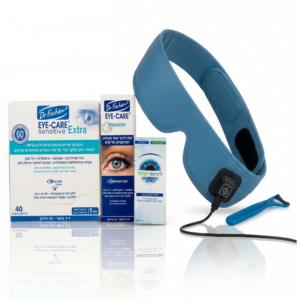
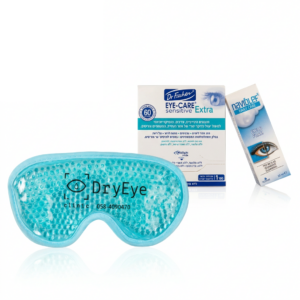
The treatment of meibomian gland dysfunction includes various approaches aimed at improving the function of the glands and reducing the symptoms. These treatments include the use of moisturizing eye drops, warm compresses for the eyelids, cleaning the eyelids with dedicated wipes, and even more advanced treatments such as intensive light therapy (IPL) which can help release the blocked meibomian glands. Proper treatment of meibomian gland dysfunction can significantly reduce the feeling of tiredness in the eyes and improve the quality of vision.
Tired eyes can significantly affect the quality of daily life. When the eyes tire quickly, it affects the ability to perform routine activities such as reading, working in front of a computer, driving, and even watching TV. Eye fatigue can lead to feelings of discomfort, headaches, and even make it difficult to concentrate and perform tasks effectively.
In addition, tired eyes can cause sleep disturbance and cause a general feeling of tiredness during the day. When the eyes are tired, the brain tries harder to compensate for the blurred vision or the dryness in the eye, which can lead to increased physical and mental fatigue. Many people who report tired eyes feel less energetic and less efficient at work and in daily activities.
In addition, tired eyes may affect mood and the general feeling of well-being. When the eyes feel tired and sore, it can lead to frustration, irritability, and even a decrease in self-confidence. In extreme cases, chronic eye fatigue can cause avoidance of certain activities, which can lead to loneliness and a decrease in quality of life.
Treating tired eyes and improving the general health of the eyes can greatly contribute to improving the quality of life. Maintaining healthy eyes, correct treatment of diseases of the eye surface, and using the right habits when working in front of screens can alleviate the symptoms and improve the general feeling and the ability to function on a daily basis.
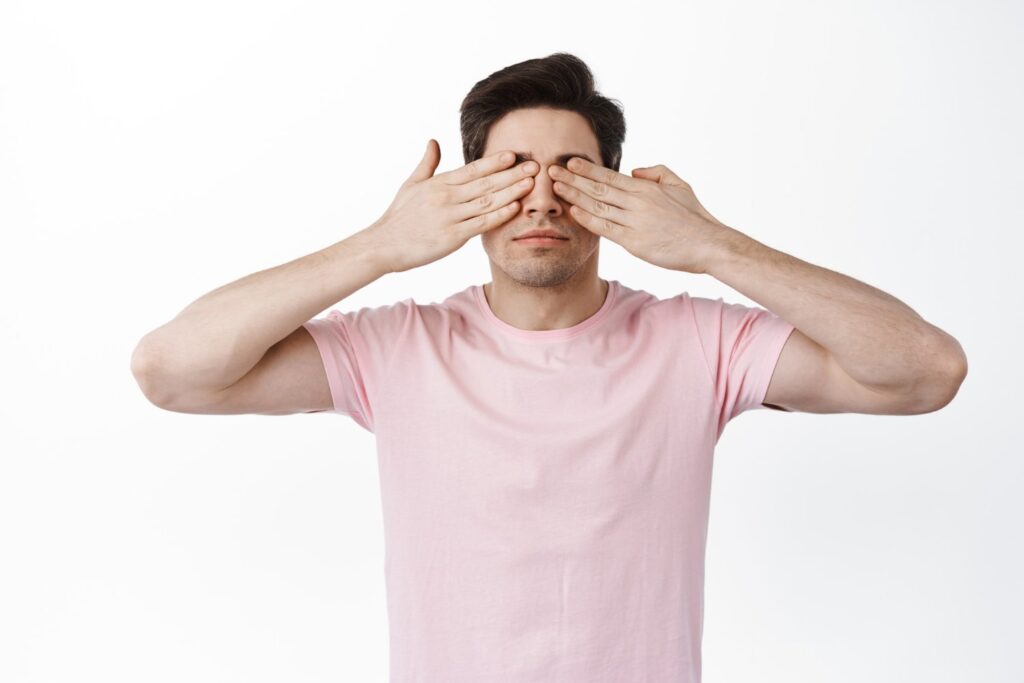
Tired eyes are a common phenomenon that can affect people of all ages, especially in the modern age where the use of digital devices is an integral part of daily life. Knowing the signs and symptoms of tired eyes is essential for early detection and appropriate treatment, to prevent the development of more serious eye problems.
One of the most common signs is a feeling of dryness in the eyes, manifested by a burning or itching sensation. This dryness can cause significant discomfort and lead to excessive tears as a compensatory response of the body. In addition, redness in the eyes is a common symptom that indicates excessive eye strain or mild inflammation. Temporary blurred vision, especially after prolonged periods of concentration, such as reading or working in front of a computer, can be another sign of tired eyes.
Other symptoms include increased sensitivity to light, where the light feels stronger and more dazzling than usual, and headaches that occur after prolonged eye strain. Some people may also experience a feeling of heaviness in the eyelids or difficulty keeping the eyes open, especially in the evening. Pain or tension in the neck and shoulder area can also be related to tired eyes, as a result of incorrect posture during work or reading.
It is important not to ignore these signs, especially if they appear frequently or worsen over time. Continuing to ignore the symptoms can lead to worsening of the condition and damage to vision. In some cases, these symptoms can indicate more serious eye problems, such as dry eye syndrome or meibomian gland dysfunction, which require medical intervention. Contacting an ophthalmologist for a professional examination is an important step in cases of persistent or severe symptoms, in order to receive an accurate diagnosis and appropriate treatment.
There are many factors that can cause tired eyes, and understanding them can help prevent and reduce symptoms. One of the main factors is prolonged use of digital devices such as computers, smart phones and tablets. Prolonged staring at screens causes the eyes to strain more and reduces the natural blink frequency, which leads to dryness and eye fatigue. To deal with this, it is recommended to use the 20-20-20 rule: every 20 minutes, look at an object 20 feet (about 6 meters) away for 20 seconds. Also, adjusting the brightness of the screen and properly arranging the work space can help reduce the strain on the eyes.
Inappropriate lighting is another cause of eye fatigue. Working or reading in dim or blinding lighting forces the eyes to work harder to see clearly. To prevent this, make sure that the environment is well lit and uniformly, and avoid direct or blinding light. Using table lamps and curtains to limit strong sunlight can help create pleasant lighting for the eyes.
Dryness in the environment, caused by air conditioning or heating systems, can also contribute to eye fatigue. The dry air causes the tears to evaporate faster and leads to a feeling of dryness and discomfort. Using humidifiers in the indoor environment and drinking enough water can help keep the eyes moist. In addition, moist eye drops can be used to relieve symptoms if necessary.
Poor sleeping habits and general fatigue also affect the health of the eyes. Not getting enough sleep can make the eyes look and feel tired, with signs like puffiness and dark circles around the eyes. Ensuring sufficient and quality sleep, between 7-9 hours a night, will help keep your eyes fresh and healthy.
Seasonal or environmental allergies can cause tired, red and itchy eyes. In these cases, avoiding exposure to allergens and using antihistamines or antiallergic eye drops, according to a doctor's recommendation, can alleviate the symptoms.
Finally, uncorrected vision problems such as nearsightedness or farsightedness can cause the eyes to work harder to focus, leading to fatigue and headaches. Regular eye exams and the use of appropriate glasses or contact lenses can prevent excessive eye strain and keep them healthy.
Dealing with these factors through changes in daily habits and appropriate treatments can significantly reduce the feeling of tiredness in the eyes and improve the quality of life. In cases of persistent or severe symptoms, it is important to seek medical advice for diagnosis and professional treatment.
A busy lifestyle and prolonged use of digital devices can lead to eye fatigue, but there are several natural ways that can alleviate the symptoms and maintain eye health. One of the simplest and most effective methods is to take regular breaks during work, especially when working in front of a computer. Every 20 minutes, it is recommended to look up from the screen and focus on an object 6 meters away for 20 seconds. This technique, known as the 20-20-20 rule, helps to reduce the strain on the eyes and prevents dryness.
Maintaining proper hydration is also an important factor in preventing eye fatigue. Drinking enough water during the day, as well as using humidifiers in dry or air-conditioned air, can help reduce the feeling of dryness in the eyes. In cases of more severe dry eyes, you can use natural eye drops without preservatives to keep the eyes moist and relieve the burning sensation.
Warm compresses are another method that helps relieve eye fatigue. Warming the eyelids with a warm, moist cloth can improve blood flow to the eye area, loosen the meibomian glands and help maintain the oily tear layer. This is a simple home treatment that can be done daily or as needed.
A diet rich in antioxidants and omega-3 fatty acids can also contribute to eye health and reduce fatigue. Foods such as fish, nuts, berries and leafy vegetables contain components that help maintain healthy vision and reduce inflammation on the surface of the eye. Combining nutritional supplements containing vitamin A, vitamin C and zinc can help maintain eye health and prevent symptoms of dryness and fatigue.
Finally, eye exercises can improve the flexibility of the muscles around the eyes and help prevent fatigue. One of the simple exercises is the "clock exercise", in which you move your eyes in the direction of the different hours as if on the face of a clock. Other exercises include rapid and deliberate blinking, which can help keep the eye moist.
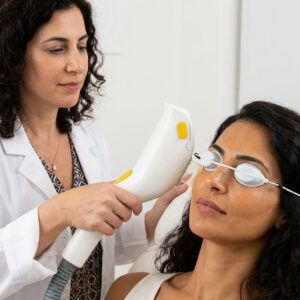
Along with the natural ways, there are advanced treatments that can help prevent eye fatigue and restore eye health. One of the prominent treatments is intensive light therapy (IPL), which is designed to improve the function of the meibomian glands and reduce chronic inflammation on the surface of the eye. This treatment is carried out in a series of sessions at the clinic, and can bring significant relief to the dryness and tiredness of the eyes.
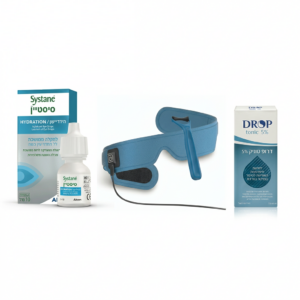
Using advanced technologies such as unique eye drops containing restorative lipids can help restore the fatty layer of tears and prevent rapid evaporation. These drops restore the surface of the eye and provide continuous moisture, which reduces the need for frequent repeated use of regular drops.
In more serious cases, where the home treatments are not enough, you can consider using unique contact lenses designed to keep the eye moist. These lenses, called scleral lenses, create a permanent layer of moisture between the lens and the eye, providing lasting relief from dryness and fatigue.
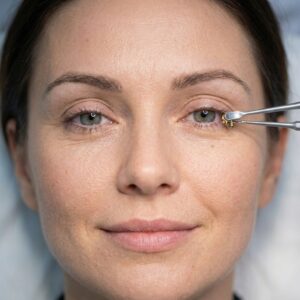
Blocking the tear ducts is another treatment designed to keep the tears in the eye and prevent their rapid exit through the tear ducts. This is an easy and simple procedure that is performed in the clinic by inserting tiny plugs into the tear ducts. This treatment is especially suitable for people suffering from chronic dryness that does not respond to other treatments.
In addition to this, there are advanced techniques of physiotherapy eye treatments, such as targeted eyelid massage, which aims to improve the function of the meibomian glands and prevent their blockage. This massage is performed in the clinic, and can be part of a comprehensive treatment to restore eye health and reduce eye fatigue.
A combination of advanced treatments with changes in daily habits and taking care to maintain eye moisture can lead to a significant improvement in the symptoms of eye fatigue and maintain eye health over time. It is important to consult an ophthalmologist to choose the most suitable treatment for each case and to prevent deterioration of the eye condition.
Preventing eye fatigue begins with maintaining healthy habits in the daily routine. One of the most important things is to take regular breaks while working for a long time in front of a computer or reading. The 20-20-20 rule is a useful tool: every 20 minutes, look at an object 6 meters away for 20 seconds, which helps prevent fatigue and overstrain on the eyes.
Correct lighting is another factor that affects the prevention of eye fatigue. It is important to make sure that the environment is well lit and without blinds. Working in dim or blinding lighting may cause the eyes to strain more, which will cause increased fatigue. In addition, you should avoid looking at digital devices for a long time without stopping, especially in the evening when your eyes are already tired. Adjusting the brightness of the screen and arranging the work position correctly can also help prevent fatigue.
Sufficient and quality sleep is also essential for maintaining healthy eyes and preventing fatigue. Lack of sleep makes the eyes more sensitive, and sometimes causes increased fatigue during the day. Making sure to sleep 7-9 hours a night will help maintain energy and good vision during the day.
Proper nutrition also contributes to the prevention of eye fatigue. A diet rich in antioxidants, vitamins and minerals strengthens the visual system and keeps the eye moist. Make sure to drink enough water during the day and avoid exposure to dry air from air conditioning systems, as much as possible.
In addition, it is important to avoid prolonged reading without rest, and not to read in conditions of weak or blinding lighting. It is also important to avoid rubbing your eyes, as this action may cause damage to the surface of the eye and worsen the feeling of fatigue and dryness.
Tired eyes are a common phenomenon that can go away after adequate rest and a change in habits, but in some cases, eye fatigue may indicate a more serious problem that requires professional treatment. If the feeling of tiredness in the eyes occurs regularly and does not improve after rest, this may be a sign that something is not right.
If you experience additional symptoms such as severe dry eyes, persistent redness, blurred vision, recurring headaches or increased sensitivity to light, you should consider contacting an ophthalmologist for a diagnostic test. These symptoms can indicate problems such as dry eye syndrome, dysfunction of the meibomian glands, eye inflammation or other vision problems.
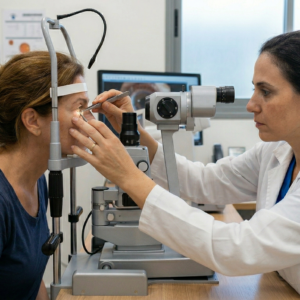
In cases where eye fatigue appears after a certain activity, such as prolonged work in front of a computer or driving, and there is a feeling of discomfort that interferes with daily functioning, it is important to seek medical advice. An ophthalmologist will be able to check the situation and recommend suitable treatments, such as eye drops, lifestyle changes or more advanced treatments if necessary.
If you suffer from tired eyes and detect a sudden change in vision, severe pain or the appearance of new symptoms, you should see a doctor as soon as possible. Early diagnosis and appropriate treatment can prevent deterioration of the condition and maintain eye health over time.
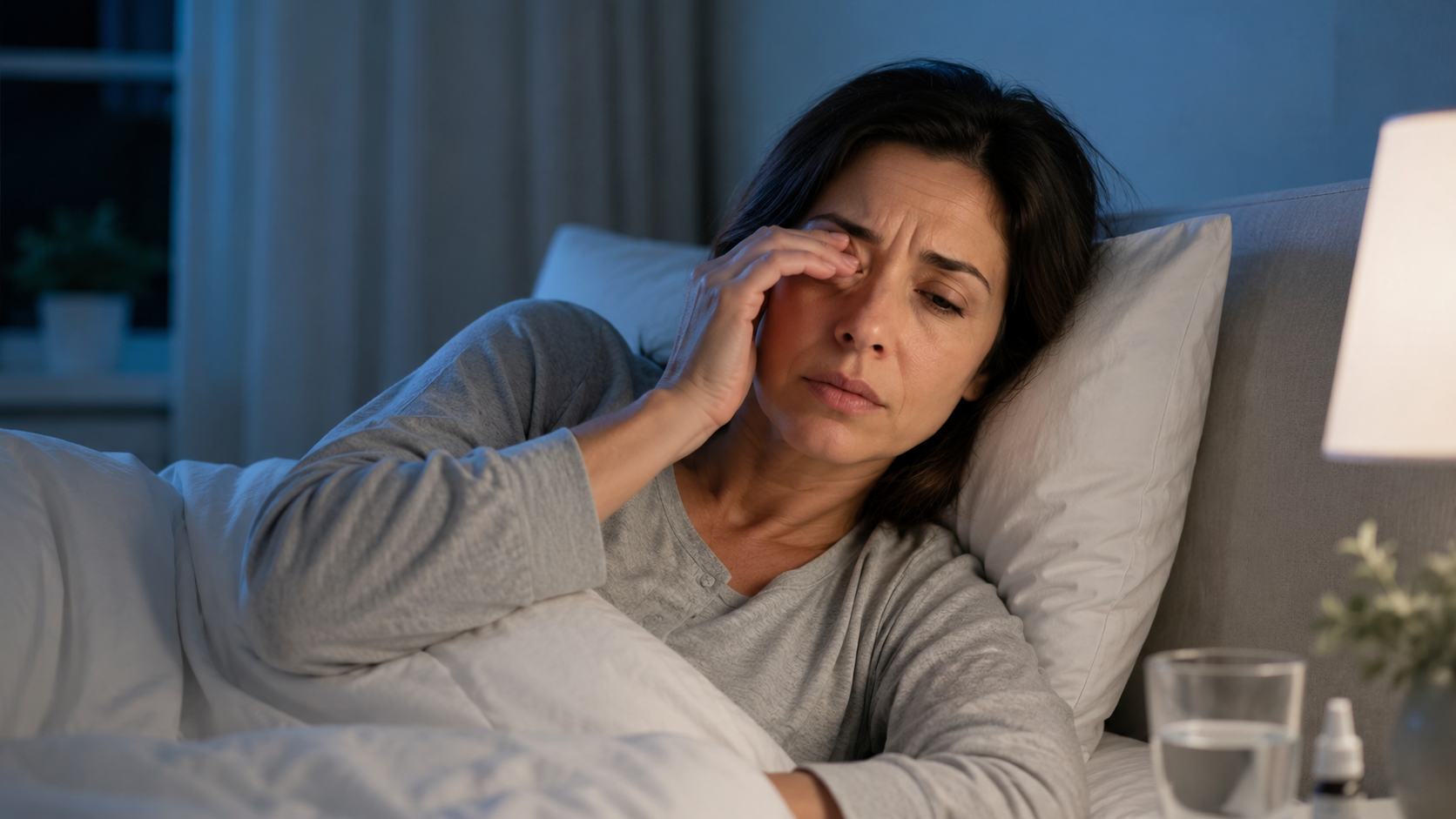
יובש בעיניים בלילה הוא תופעה שכיחה העלולה לגרום לאי נוחות,
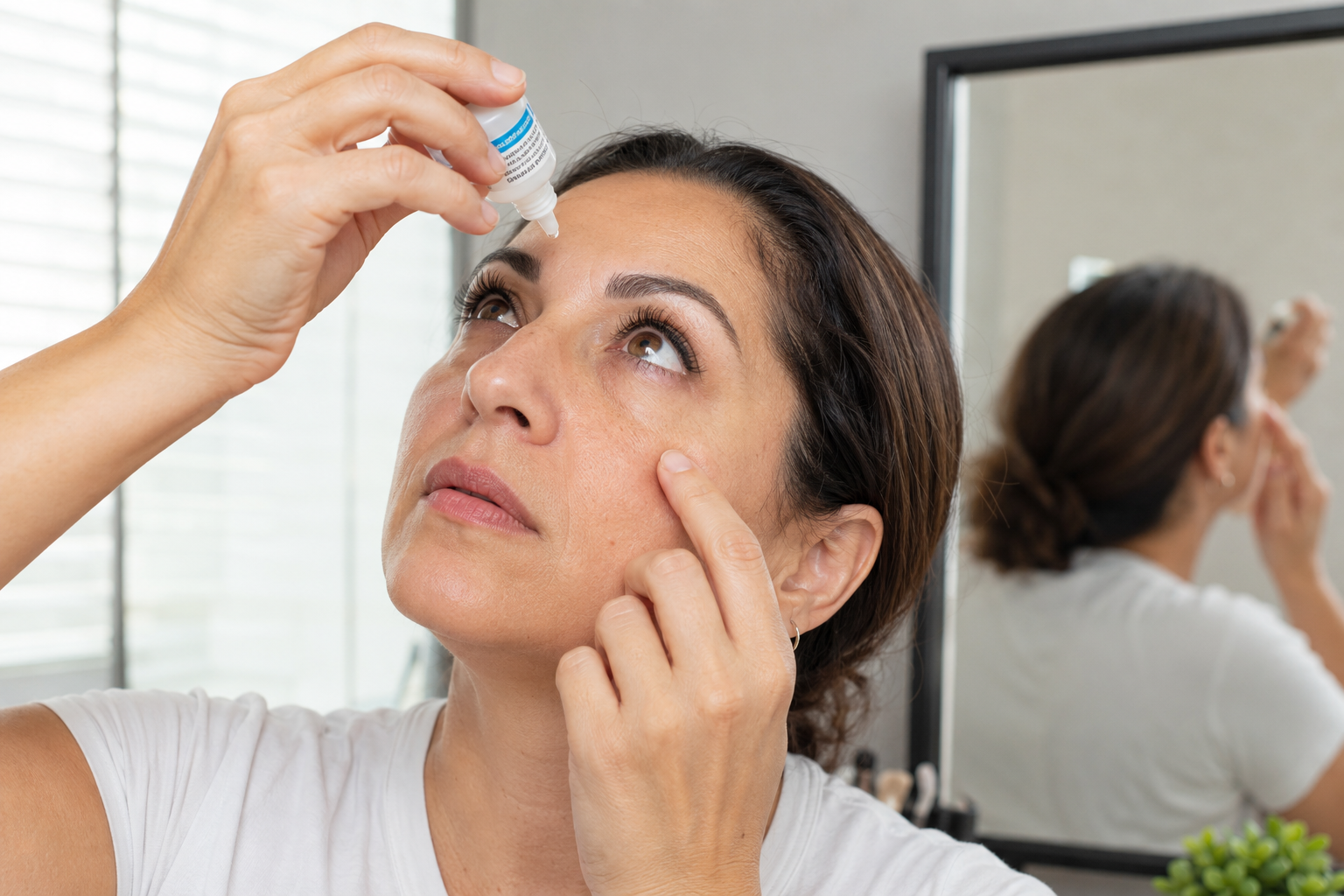
יובש בעיניים אחרי הרמת עפעפיים הוא תופעה שכיחה יחסית לאחר