Eye health is a crucial aspect of overall health, but is often overlooked until problems arise. Eye infections, ranging from mild irritation to severe sight-threatening conditions, can affect anyone regardless of age or health status. Fast and effective treatment is essential to prevent complications and preserve vision. Here we will examine the different types of eye infections, their causes, symptoms and the latest treatment options. Understanding these aspects can aid in early detection and management, and ensure better outcomes for those affected.
Understanding eye inflammation for treatment
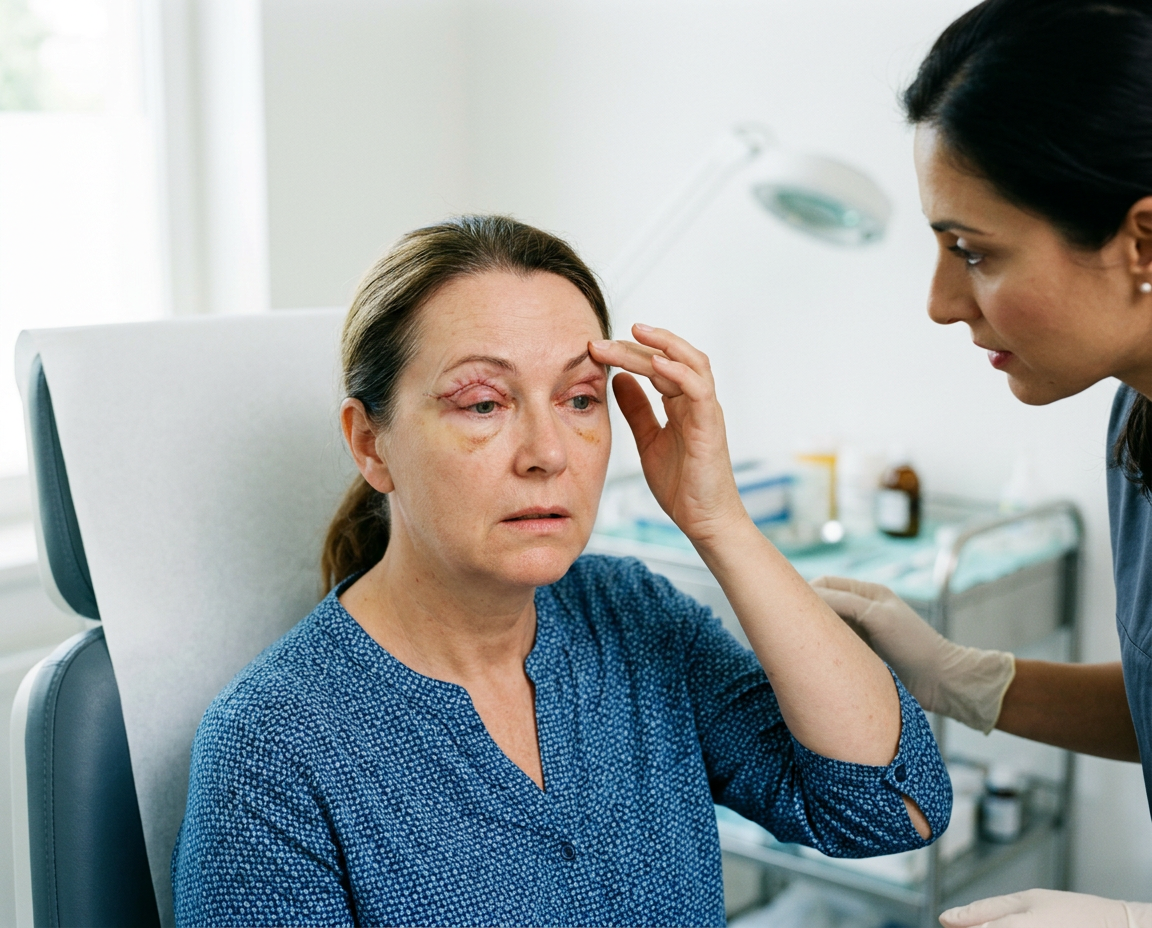
Eye infections occur when harmful microorganisms – such as bacteria, viruses, fungi or parasites – invade parts of the eyeball or the surrounding areas. The infection can affect the eyelids, the conjunctiva (the clear membrane that covers the white part of the eye), the cornea (the clear front surface of the eye), or the inside of the eye. There are several types of eye infections, each with unique causes and symptoms:
Bacterial infections: These are caused by bacteria and often cause redness, swelling and discharge. Common examples include bacterial conjunctivitis and barley.
Viral infections: Caused by viruses, these infections may be accompanied by sensitivity to light and watery discharge. Herpes simplex virus and adenovirus are typical pathogens.
Fungal infections: Although less common, fungal infections can be serious and usually occur from an eye injury involving organic material, such as plant material.
Parasitic infections: these are rare and can be caused by parasites entering the eye. An example is Acanthamoeba keratitis, which is usually associated with improper use of contact lenses.
Each type of infection requires a specific approach to treatment, making accurate diagnosis essential.
Causes and risk factors of eye inflammation without treatment
Eye infections can be attributed to a variety of causes, each of which affects the type of infection that may develop. Common sources include direct contact with bacteria, viruses, fungi, or parasites from environmental exposure, contaminated surfaces, or through improper use of contact lenses. In addition, eye surgery or trauma to the eye can introduce pathogens into the eye environment, increasing the risk of infection.
Various risk factors contribute to the likelihood of developing an eye infection:
Poor hygiene: Failure to wash hands often, especially before touching the eyes, can lead to infections.
Use of contact lenses: Improper use, poor maintenance, or wearing contact lenses overnight significantly increases the risk of infection.
Environmental exposure: Exposure to polluted water or air, especially in places like swimming pools or polluted environments.
Weakened immune system: People with a weakened immune system due to conditions such as diabetes or HIV are more susceptible.
Previous eye diseases: A history of eye infections or chronic eye diseases can predispose people to additional infections.
Understanding these factors can help in adopting preventive measures to reduce the risk of eye infections.
Symptoms of eye inflammation
The symptoms of eye infections can vary depending on the causative factor but usually include several recognizable signs:
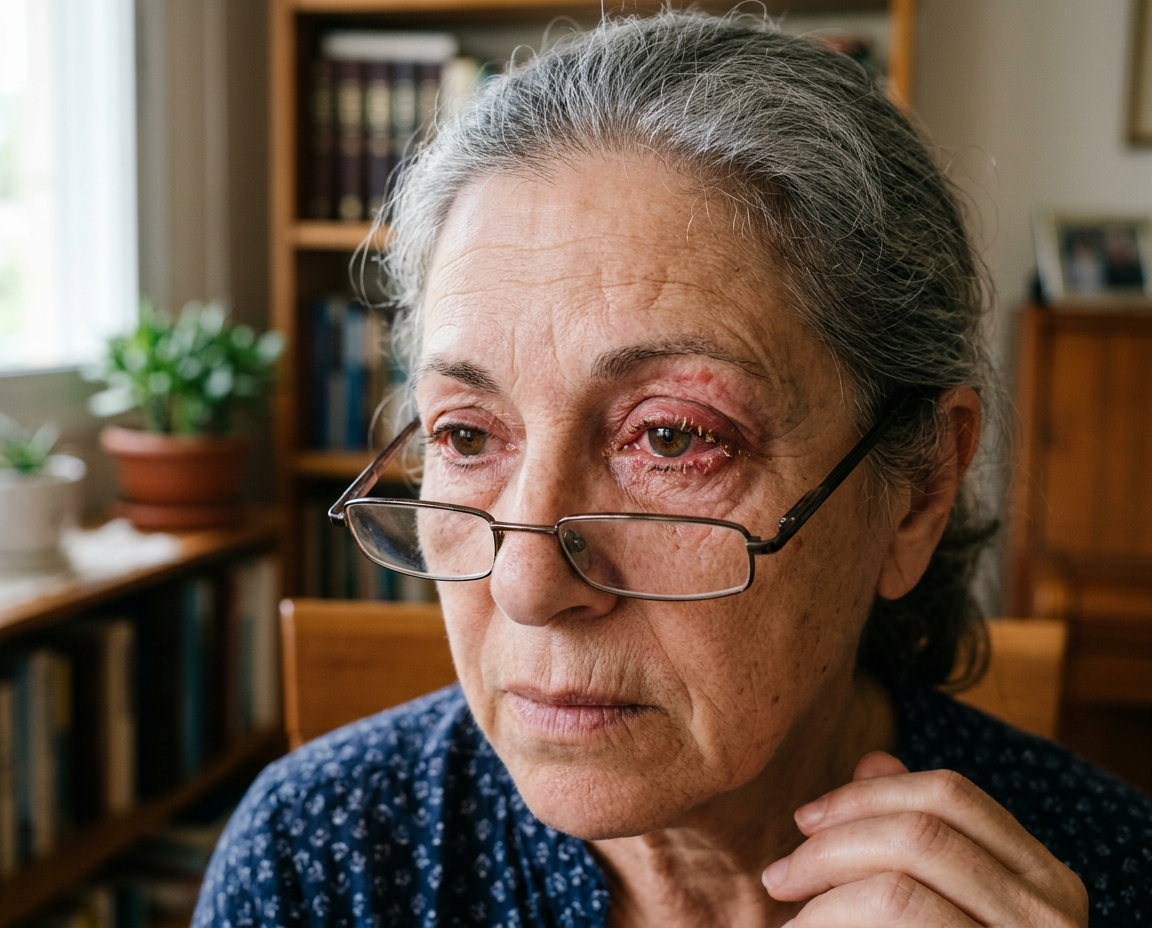
Redness: This is often one of the first signs. Redness can affect one or both eyes.
Pain or discomfort: May range from mild irritation to severe pain.
Discharges: Eye infections may produce a watery, pus-like or sticky discharge.
Itching: This symptom is more common in infections such as allergic conjunctivitis.
Swelling: The eyelids and the area around the eye may swell.
Blurred vision: Certain infections can cause vision changes, including blurring.
Light sensitivity: A common symptom in viral infections where normal light feels uncomfortably bright.
Early detection of these symptoms can be essential for timely treatment, to prevent the progression of the infection and possible damage to long-term vision. This highlights the importance of seeking medical advice when symptoms appear, rather than waiting for them to resolve on their own.
Diagnosis of eye inflammation
Accurate diagnosis of eye infections is essential for effective treatment. Ophthalmologists use a variety of methods to determine the type of infection and its severity:
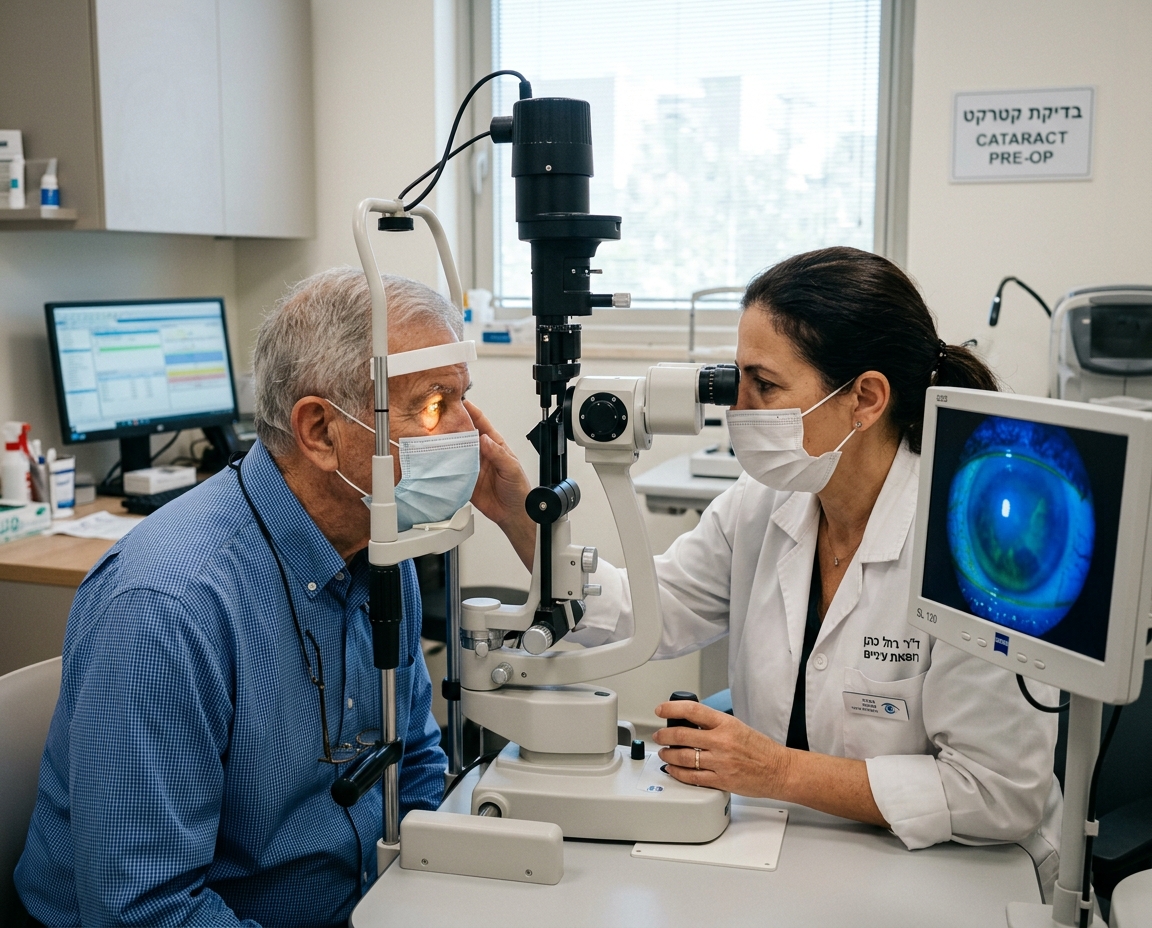
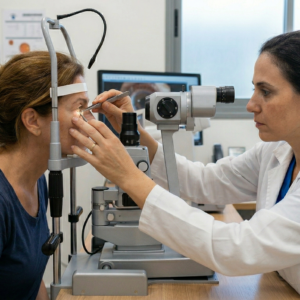
Professional examination: an ophthalmologist or optometrist will perform a thorough eye examination using special equipment to examine the various parts of the eye. They may use a slit lamp microscope, which provides a 3D magnified view of the various structures of the eye, allowing a detailed observation of the effect of the infection.
Patient history: Understanding the patient's medical history, the onset of symptoms, and any recent activity that may have contributed to the infection (such as contact lens use or exposure to potentially contaminated water) can offer clues as to the type of pathogen involved.
Test methods: In cases where the type of infection is not immediately clear, or when the infection does not respond to initial treatment, additional tests may be necessary. They can include:
Culture tests: taking a sample from the eye to grow in the laboratory to identify bacteria or fungi.
PCRtests: this method can detect the DNA of a virus, and provide a quick and accurate diagnosis.
These diagnostic tools are an integral part of guiding the treatment plan, and ensure that the prescribed treatment is aimed at the specific organism causing the infection.
Treatment options for eye inflammation
The treatment of eye infections largely depends on the type and severity of the infection:
General treatment strategies: Basic steps such as applying warm compresses to the eye can help relieve symptoms. It is important to maintain eye hygiene and avoid touching or rubbing the eyes.
Medicines:
Antibiotics: If the infection is bacterial, antibiotic eye drops, ointments, or oral medications may be prescribed.
Antivirals: Viral infections require antiviral medications, which can be given as eye drops, ointments, or systemic medications, depending on the location and severity of the infection.
Antifungals: Fungal infections may need antifungal eye drops or systemic treatment in more severe cases.
Steroids: To reduce inflammation, steroid eye drops can be used, but only under close medical supervision to avoid worsening the infection.
Home Remedies: While some home remedies can provide comfort, such as douches or cold compresses, they should be used with caution and should never replace professional medical care.
Surgical treatment: In severe cases, especially when the infection threatens vision, surgical intervention may be required to remove infected tissue or repair damage.
Each treatment regimen is tailored to the individual's needs, taking into account the specific pathogen involved, the patient's general health, and the presence of any complicating factors. Regular follow-up is important in order to make sure that the treatment is effective and adjust it if necessary.
Special considerations for eye inflammation prior to treatment
Effective treatment of eye infections often requires taking into account various patient-specific factors that can affect the choice of treatment and its effectiveness:
Treatment of children versus adults: Children may require different drug formulations or doses due to their smaller size and developing bodies. Their treatment should be carefully managed to ensure compliance and to minimize discomfort.
Management of treatment with other eye diseases: Patients with existing eye diseases such as dry eye syndrome or glaucoma may require adjustments in the treatment of infection to avoid worsening of these conditions.
Adapting treatment to severe cases: Infections involving the deeper parts of the eye, such as the retina or uvea, need more aggressive treatment, which may include intravenous drugs or hospitalization.
Allergies and sensitivity: Allergic reactions to drugs can complicate treatment. It is essential to use hypoallergenic formulas when known sensitivities exist.
Pregnancy and breastfeeding: it is necessary to make adjustments for pregnant or breastfeeding women to avoid treatments that may affect the health of the fetus or newborn.
These considerations emphasize the need for a personal approach to treatment, adapted to the circumstances and the unique state of health of each patient.
Potential complications of eye inflammation despite treatment
While many eye infections resolve without lasting effects, some can lead to serious complications if not treated properly:
Short-term complications: These can include worsening symptoms, the spread of the infection to other parts of the eye, or the development of corneal ulcers that can impair vision.
Long-term consequences: Persistent infections can cause scarring or permanent damage to eye structures, which can result in partial or complete vision loss. Chronic infections can also lead to glaucoma or cataracts.
Prevention of complications: Early diagnosis and appropriate treatment are critical in preventing complications. Adhering to the prescribed treatment regimen, maintaining good hygiene and monitoring changes in symptoms are essential methods. Regular follow-up appointments allow healthcare providers to identify and treat potential complications early.
Understanding these potential risks and how to manage them is essential for anyone dealing with an eye infection, which reinforces the importance of professional guidance and adherence to prescribed treatments.
Innovations in eye inflammation treatment
The field of ophthalmology continues to develop rapidly, with new technologies and treatments that improve the management of eye infections:
Recent advances in drug therapy: New formulations of eye drops that allow for less frequent use can improve patient compliance. In addition, progress in changing the structure of drugs ensures that they are absorbed more efficiently in the eye.
Breakthroughs in surgical techniques: tiny surgical procedures are being developed to treat infections that do not respond to drugs.
Future trends in the treatment of eye infections: Researchers are exploring the use of biotechnology, including the potential of gene therapy to treat viral eye infections and the development of new antimicrobial compounds that are more effective against resistant strains of bacteria.
These innovations are part of a broader effort to improve eye care and manage infections more effectively, reduce the risk of complications and improve patient outcomes.
Summary about eye inflammation treatment
Eye infections, if not treated properly, can lead to serious health problems, including vision loss. Understanding the causes, symptoms and treatments is essential for effective management and prevention. With continued advances in medical science, the options for treating eye infections continue to improve, offering hope for better outcomes. That is why you should seek professional medical advice at the first sign of an eye infection and adhere to the prescribed treatment plan. Regular eye exams and maintaining good eye hygiene can also help prevent infections and ensure overall eye health.
מודה לפרופסור יואב נחום על הטיפול היעיל והאישי, שיפר משמעותית את איכות חיי. מקצועיות ואדיבות בלתי רגילה. ממליץ בחום!
ישראל כץמנכ״ל
ד"ר מורין יוגב, מומחית לעין יבשה, הראתה לא רק ידע רב בתחומה, אלא גם יחס אישי ואכפתיות יוצאת דופן. תוך כדי טיפול, היא הסבירה כל שלב ושלב בתהליך, וכתוצאה מכך, השתפר מצב העיניים שלי משמעותית.
דנה סופר ברגמן
אני רוצה להגיד תודה לפרופסור מימוני.. עם המון סבלנות ואכפתיות למטופל. היה סבלני והסביר את כל שלב בזמן הבדיקה. רואה את המטופל שגם המטופל בנאדם ויש חששות .. ושאלות ומבין שזה טבעי .
גלית פלדמן לביא
הייתה לי בעית עין יבשה שנים. הטיפות לא עזרו וזה מאד הפריע. טופלתי במרכז לעין יבשה על ידי פרופסור מימוני. הוא הסביר לי את כל האופציות. לאחר הטיפול המצב שלי השתפר מאד ואין לי צורך בטיפות יותר….
קורין קומטי
פרופסור יואב נחום פשוט הציל אותי! טיפול מדויק ומקצועי בעין היבשה, תוצאות מדהימות בזמן קצר. מאוד מרוצה מהשיפור המהיר והמקצועיות. ממליץ בחום.
רפאל לוי
שירות ויחס מדהים מהמזכירות ודרך הרופאים.
עדיין מרגיש את תוצאות טיפול.
אני 3 ימים אחרי ומקווה לטוב.
אנדי טל
אין דרך מספקת בכדי לתאר באמת כמה אנחנו מרוצים ומודים לפרופסור מייקל מיימוני שהוא באמת בעינינו רופא מעל הרפואה ממש כך הוא גדוש בניסיון, ידע, מקצועיות, אכפתיות, אדיבות סובלנות ויחס אישי ואמיתי שטרם נתקלנו בו…
אסף חלי
טיפול מקצועי ברמה גבוהה ובאווירה נעימה מאוד. מומלץ!
קלאודיו גרוסמן
ד"ר איתמר ארבלי זכה באמוני עם גישה מקצועית וחמה. הוא טיפל בבעיית העין היבשה שלי באפקטיביות רבה, תוך שימוש בטכנולוגיות חדשניות ומתן תשומת לב אישית לכל הפרטים.
אני רוצה לומר לכל מי שחושש, זה עובד ואין שום סיבה להמשיך לסבול.
דורון קאופמןמנכ״ל
רופאים
פרופ' יואב נחום
מומחה לרפואת עיניים, התמחות בקרנית ומחלות פני שטח העין.
פרופסור יואב נחום הוא סגן מנהל מערך עיניים, מנהל שירות פני שטח העין ורופא בכיר ביחידת הקרנית, בי"ח בילינסון מרכז רפואי רבין, ורופא מנתח במכון להסרת משקפיים בלייזר אסותא אופטיק. למד לימודי רפואה באוניברסיטה העברית בירושלים, והתמחה ברפואת עיניים בבית החולים בילינסון. לאחר ההתמחות ביצע תת-התמחות בתחום מחלות הקרנית והעין החיצונית בביה"ח Villa Igea באיטליה.
פרופסור נחום חבר סגל הפקולטה לרפואה באוניברסיטת תל אביב בדרגת פרופסור חבר קליני. הוא עוסק במחקר קליני ומעבדתי, משתתף בכנסים בין-לאומיים בתחומו, ופרסם מעל חמישים מאמרים בעיתונות המקצועית. פרופסור נחום משמש גם כמרצה בביה"ס האירופי ללימודים מתקדמים ברפואת עיניים ESASO, חבר באיגוד רופאי העיניים בישראל, באגודה הישראלית לחקר העין והראיה, וכן באגודה האירופאית לקטרקט וניתוחי הסרת משקפיים ESCRS.
מרצה בבית הספר האירופי ללימודים מתקמדים ברפואת עיניים ESASO
חברות באיגודים מקצועיים
איגוד רופאי העינים בישראל
European Society of Cataract and Refractive Surgeons
אגודה הישראלית לחקר העין והראיה
לקביעת תור
פרופ' יואב נחום
כיסוי ביטוחי
החזר עבור יעוצים מכל חברות הביטוח, פרטי.
ימי פעילות וקבלת קהל
ימי ראשון 15:30 עד 20:00
לקביעת תור
אודות פרופ' מייקל מימוני
אודות
פרופסור מייקל מימוני, מנהל יחידת הקרנית במחלקת עיניים בקריה הרפואית רמב"ם ומרצה קליני בכיר בטכניון, סיים את לימודי הרפואה באוניברסיטת תל-אביב בהצטיינות. ב2022, פרופסור מימוני נבחר להיות יושב ראש חוג קרנית מטעם איגוד רופאי העיניים הישראלי. במסגרת התמחותו השתתף פרופסור מימוני בתוכנית מחקר היוקרתית "עתידים" וזכה בפרס מתמחה מצטיין כלל ארצי (מטעם איגוד רופא העיניים הישראלי-ILOS) עבור הישגיו הכירורגיים, הקליניים והמחקריים.
במהלך התמחותו פרופסור מימוני עבר השתלמויות במרכזים רפואיים מצטיינים באירופה וזכה בפרסים ומלגות מטעם האיגוד האירופאי לקטרקט וניתוחי רפרקציה (ESCRS) ומטעם האיגוד הבין-לאומי לניתוחי רפרקציה (ISRS). בהמשך ביצע פרופסור מימוני תת-התמחות כירורגית במרכז מוביל בצפון אמריקה (University of Toronto) בתחום של השתלות קרנית, ניתוחי קטרקט, עין יבשה והסרת משקפיים בלייזר. במהלך תקופה זו בת שנתיים נחשף פרופסור מימוני לשיטות ניתוח חדשניות ומתקדמות. בסוף הפלושיפ זכה פרופסור מימוני בפרס של הכירורג המצטיין של מחזורו. עד כה פרסם פרופסור מימוני מעל 180 מחקרים מקוריים בספרות המקצועית ומשמש כעורך וסוקר עבור עשרות עיתונים מדעיים בתחומים של השתלות קרנית, ניתוחי קטרקט, עין יבשה והסרת משקפיים בלייזר. בעבור עבודתו המחקרית זכה פרופסור מימוני במספר פרסים ומלגות לאומיות ובין-לאומיות. פרופסור מימוני מציג ומשתתף באופן פעיל בכנסים בינלאומיים ופועל כמרצה מוזמן בתחומי מקצועו וכמשתתף בהוראת סטודנטים ומתמחים ברפואת עיניים בארץ ובעולם. לרשימת מאמריו העדכנית לחצו על הקישור.
תחומי התמחות
סוגי טיפולים וניתוחים
ניסיון אקדמאי
חברות באיגודים מקצועיים
לקביעת תור
פרופ' מייקל מימוני
כיסוי ביטוחי
החזר עבור יעוצים מכל חברות הביטוח, פרטי.
ימי פעילות וקבלת קהל
ימי שלישי 14:30 עד 19:00
לקביעת תור
אודות ד"ר מריה צסלר
אודות
ד"ר מריה צסלר היא רופאת עיניים בכירה במרפאת פני שטח העין והקרנית, ומנתחת בתחום הקטרקט במרכז הרפואי אסותא אשדוד. היא סיימה את לימודי הרפואה באוניברסיטת תל אביב, והתמחתה ברפואת עיניים בבית החולים שערי צדק שבירושלים.
ד"ר מריה צסלר עוסקת במחקר קליני ובהוראה, משתתפת בכנסים בין-לאומיים בתחומה, ופרסמה מאמרים בעיתונות המקצועית. היא חברה באיגוד רופאי העיניים בישראל, וכן באיגודים האירופאיים לקטרקט וניתוחי הסרת משקפיים ESCRS ו-ISRS.
תחומי התמחות
רפואת עיניים
ניתוחי קטרקט
טיפול בקרטוקונוס באמצעות שיטת CXL
סוגי טיפולים וניתוחים
ניתוחי קטרקט CXL
ניסיון אקדמאי
לימודי רפואה באוניברסיטת תל אביב 2004-2011 התמחות בעיניים במרכז הרפואי שערי צדק, ירושלים 2019-2024
חברות באיגודים מקצועיים
איגוד רופאי העיניים בישראל
ISRS
ESCRS
לקביעת תור
ד"ר מריה צסלר
כיסוי ביטוחי
החזר עבור יעוצים מכל חברות הביטוח, פרטי.
ימי פעילות וקבלת קהל
ימי שני 15:30 עד 20:00
לקביעת תור
אודות ד"ר אלעד זיו-און
אודות
תחומי התמחות
עיניים
סוגי טיפולים וניתוחים
ניתוחי קטרקט, CXL
ניסיון אקדמאי
חברות באיגודים מקצועיים
איגוד רופאי העיניים בישראל
ISRS
לקביעת תור
ד"ר אלעד זיו-און
כיסוי ביטוחי
החזר עבור יעוצים מכל חברות הביטוח, פרטי.
ימי פעילות וקבלת קהל
לקביעת תור
אודות ד"ר דוריאן זיינדנוובר
אודות
ד״ר דוריאן אריאל זיידנוובר הוא רופא עיניים מומחה בעל תת־התמחות בקרנית, עין יבשה ומחלות שטח העין.
הוא מקבל מטופלים במרפאת העין היבשה בהרצליה, במרכזים הרפואיים של כללית בגבעתיים, ראשון לציון ונוף ים, וכן במרפאה פרטית בתל אביב.
לד״ר זיידנוובר ניסיון רב בתחומים:
ניתוחי קטרקט וניתוחים לתיקון הראייה
ניתוחי פטריגיום וגידולי שטח העין
השתלות קרנית אנדותליאליות
טיפול במקרים מורכבים של עין יבשה ומחלות קשות של שטח העין
את התמחותו ברפואת עיניים סיים בהצטיינות, ולאחריה השלים השתלמויות־על (Fellowships) ב־CODET Vision Institute במקסיקו, וב־Devers Eye Institute שבארה״ב, מהמוסדות המובילים בעולם להשתלות קרנית.
בהמשך שימש כרופא בכיר במחלקת הקרנית ב־UCLA Jules Stein Eye Institute בלוס אנג׳לס, שם ניהל את תחום העין היבשה ומחלות שטח העין הקשות.
מאז עלייתו לישראל בשנת 2023, משלב ד״ר זיידנוובר מצוינות קלינית, ניסיון בינלאומי ויחס אישי למטופל, במטרה להעניק טיפול מתקדם ובריאות עיניים מיטבית.
הוא מרצה בכנסים בינלאומיים בארה״ב, ישראל ואוסטרליה בנושאי השתלות קרנית ומחלות עין יבשה קשות.
תחומי התמחות
מומחה לרפואת עיניים – תת־התמחות בקרנית, עין יבשה ומחלות שטח העין
סוגי טיפולים וניתוחים
ניתוחי קטרקט וניתוחים לתיקון הראייה
ניתוחי פטריגיום וגידולי שטח העין
השתלות קרנית אנדותליאליות
טיפול במקרים מורכבים של עין יבשה ומחלות קשות של שטח העין
ניסיון אקדמאי
את התמחותו ברפואת עיניים סיים בהצטיינות, ולאחריה השלים השתלמויות־על (Fellowships) ב־CODET Vision Institute במקסיקו, וב־Devers Eye Institute שבארה״ב, מהמוסדות המובילים בעולם להשתלות קרנית.
חברות באיגודים מקצועיים
איגוד רופאי העיניים בישראל
ISRS
לקביעת תור
ד"ר דוריאן זיינדנוובר
כיסוי ביטוחי
החזר עבור יעוצים מכל חברות הביטוח, פרטי.
ימי פעילות וקבלת קהל
לקביעת תור
אודות ד"ר מרגריטה ספיר
אודות
תחומי התמחות
עיניים
סוגי טיפולים וניתוחים
ניתוחי קטרקט, CXL
ניסיון אקדמאי
חברות באיגודים מקצועיים
איגוד רופאי העיניים בישראל
ISRS
לקביעת תור
ד"ר מרגריטה ספיר
כיסוי ביטוחי
החזר עבור יעוצים מכל חברות הביטוח, פרטי.
ימי פעילות וקבלת קהל
לקביעת תור
אודות ד"ר מורין יוגב
אודות
ד"ר מורין יוגב היא רופאה מומחית במחלות עיניים. סיימה לימודי רפואה באוניברסיטת Alma Mater Studiorum- מרכז רפואי מהמובילים בעולם, בתחום הרפואה בפרט בבולוניה שבאיטליה. בהמשך סיימה סטאז' במרכז הרפואי סוראסקי (איכילוב) שבתל אביב. ד״ר יוגב התמחתה ברפואת עיניים במרכז הרפואי רבין (בילינסון). בהמשך עברה השתלמות מקצועית בתחום מחלות קרנית ומקטע קדמי בביה״ח Villa Igea באיטליה. כעת עובדת כרופאה מומחית במרפאות בהרצליה, בכפר סבא, ובמחלקת עיניים בבית חולים מאיר. ד"ר יוגב שותפה בפרסומי מאמרים בספרות המקצועית ברפואת עיניים. השתתפה בכנסים מקצועיים והציגה בכנסים של האגודה הישראלית לרפואת עיניים ובמסגרת החוג לרפואת עיניים באוניברסיטת תל אביב. ד״ר יוגב הינה חברה באיגוד רופאי העיניים בישראל ואיגוד רופאי הגלאוקומה בישראל
תחומי התמחות
עיניים, גלאוקומה, קטרקט, מקטע קדמי
סוגי טיפולים וניתוחים
קטרקט, הסרת פטריגיום, מקטע קדמי
ניסיון אקדמאי
לימודי רפואה באוניברסיטת בולוניה, איטליה
השתלמות מקצועית במחלות קרנית ומקטע קדמי בבית החולים Villa Igea